
Can You Ride an E-Bike on the Sidewalk? The Answer Changes by City
Explain local definitions, business districts, age, class, speed, yielding, crossings, signage, and safer route alternatives. A practical U.S. buyer guide.
eBikeScope
Reviews, buying guides, brand comparisons, laws, maintenance, and practical ownership help for U.S. electric bike shoppers.

Explain local definitions, business districts, age, class, speed, yielding, crossings, signage, and safer route alternatives. A practical U.S. buyer guide.

For winter storage, keep the battery dry, indoors when possible, away from extreme heat, and at a moderate state of charge rather than empty or full for months. Avoid charging a freezing battery; let it warm to room temperature first.
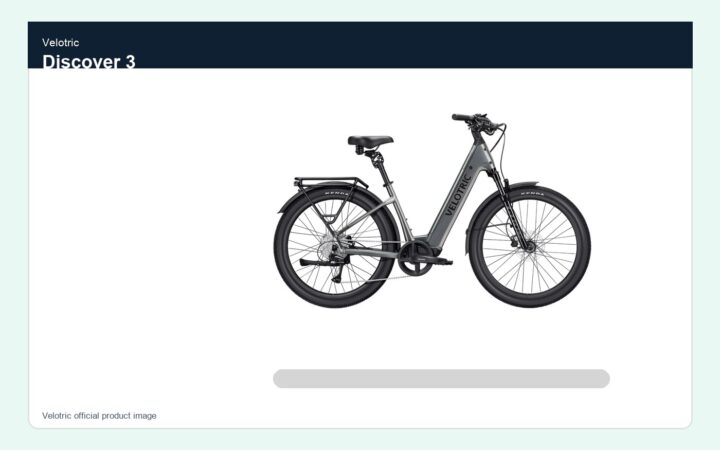
A practical Discover 3 overview for riders who want comfort, commuting utility, range, and a relaxed daily e-bike.
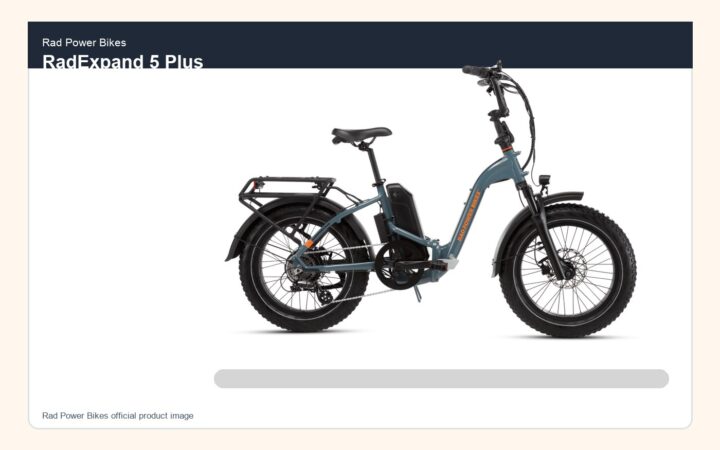
Rad Power Bikes is still associated with utility, cargo, and everyday transportation. It is worth comparing if your e-bike needs to carry groceries, passengers, bags, or work gear. The brand’s strongest cases are practical use and accessory ecosystems rather than lightweight sport riding.
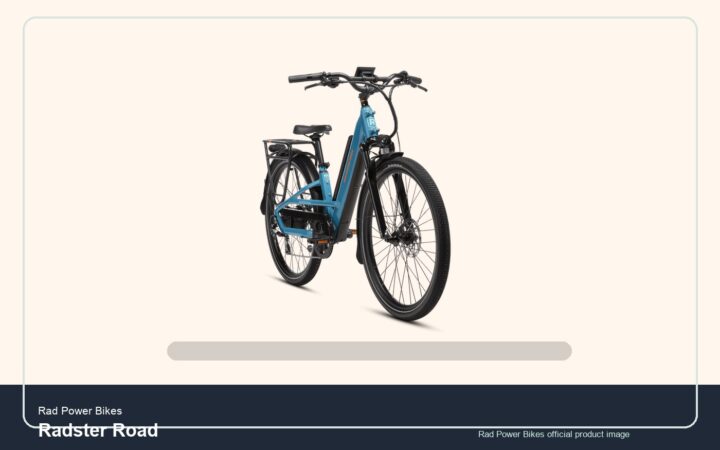
E-bikes are generally legal in the U.S., but where and how you can ride depends on state, local, trail, and class-specific rules.
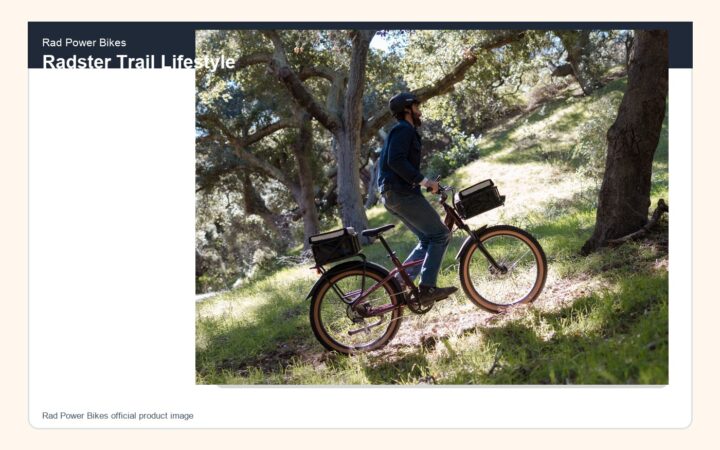
New e-bike riders should practice starts, stops, signaling, low-speed turns, braking, and assist changes before riding in traffic. The biggest safety gains come from visibility, predictable behavior, helmet fit, speed discipline, and route choice.
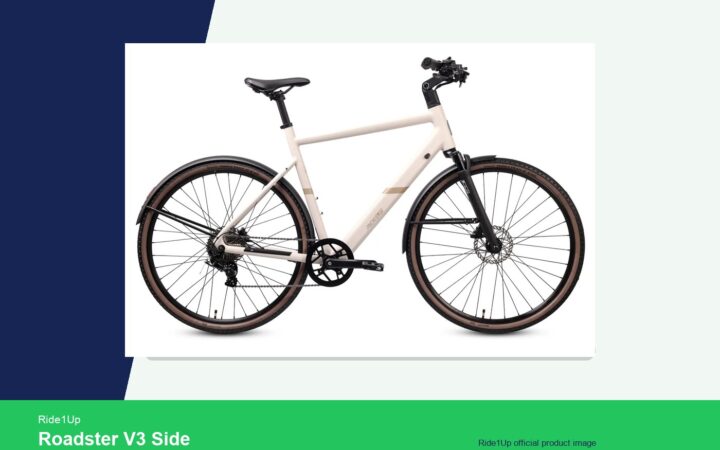
Advertised e-bike range is a useful starting point, not a guarantee. Here’s how to estimate the range you actually need.
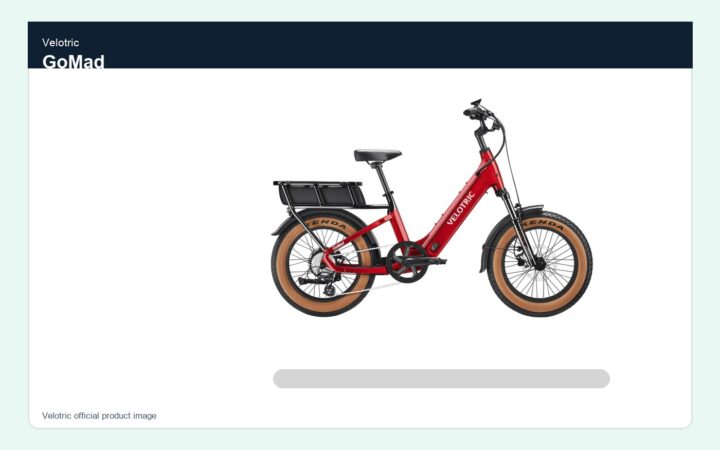
A practical, spec-based review of Velotric’s current e-bike lineup for U.S. commuters, seniors, fat tire riders, and value shoppers.
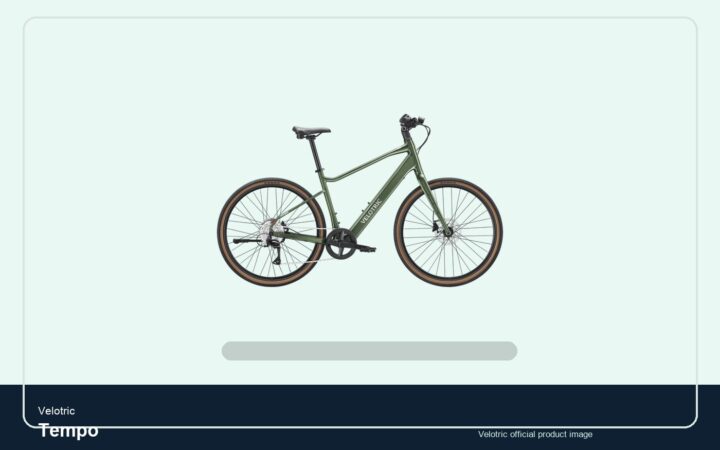
Velotric Discover 3 is the most obvious Velotric commuter starting point, Fold 1 Plus fits riders with tight storage or RV/apartment needs, Breeze 1 works for lighter city riding, and Summit 2 is the mixed-terrain option when rough roads or weekend gravel matter.
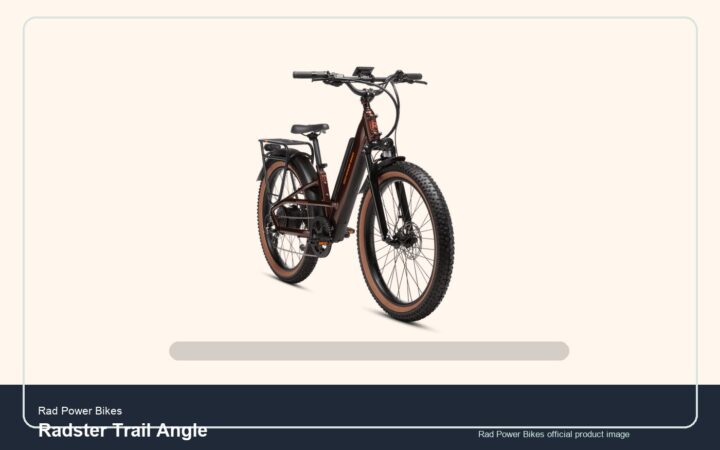
Fat tire e-bikes are best for stability, comfort on rough surfaces, and loose terrain. Commuter e-bikes are usually better for efficiency, storage, racks, predictable city use, and lower weight. The right choice depends on surfaces, storage, and how often you truly need big tires.