
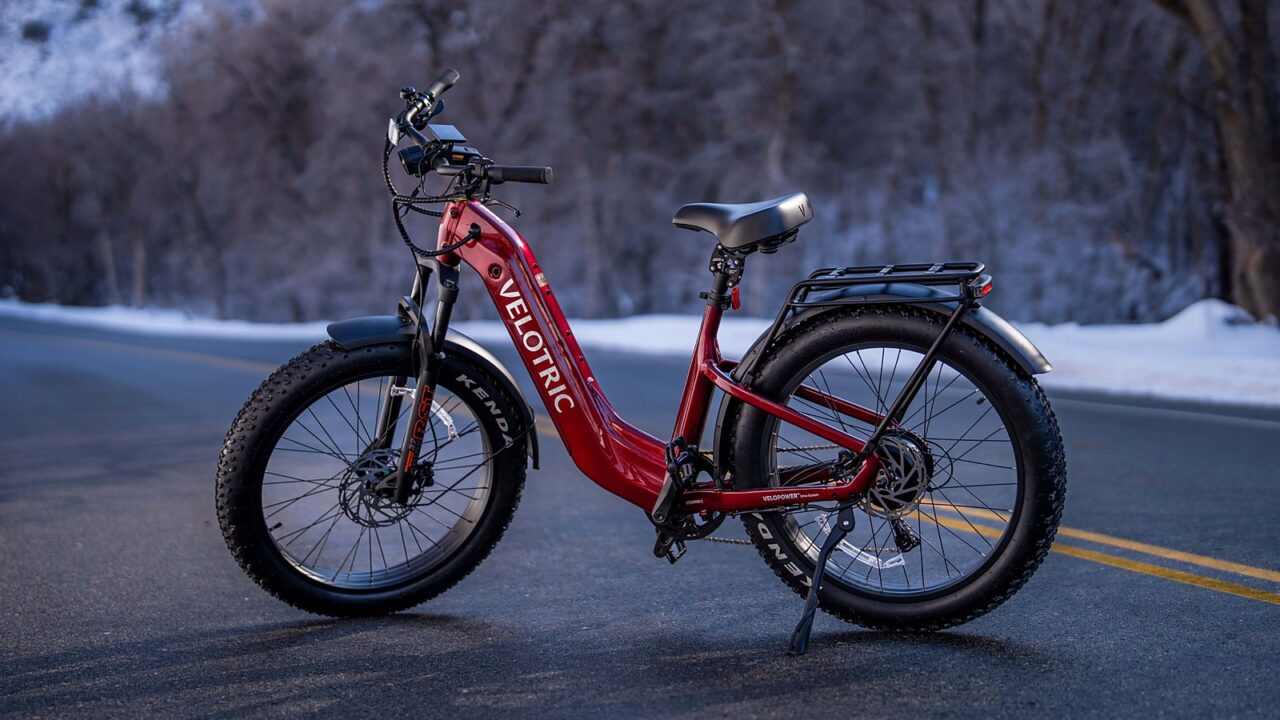
Best Velotric E-Bikes for Beach Riding: Sand, Salt, Tires, and Access is written for coastal riders who need to distinguish paved boardwalk use from actual loose-sand riding. It is an editorial, specification-based buyer's guide, not a claim that Lucas Anderson personally tested every model or scenario. The analysis uses current official information for Velotric Nomad 2X, Velotric Nomad 2, Velotric GoMad and concentrates on the decisions that remain after a shopper knows the motor and battery numbers.
Prices, bundles, inventory, software, and policies can change. The product pages and checkout observed during this August 2026 update are a snapshot, while Velotric's current page and the actual seller's written terms remain the final authority. That is why this guide separates stable ownership questions from temporary promotions.
Define the route before the bike
Surface, weather, access rules, transport, charging, and recovery determine whether a capable e-bike is practical. The normal route should lead the decision; rare adventures should break a tie, not dominate it.
Questions this guide answers
- Surface definition
- Nomad 2X
- Nomad 2
- GoMad
- Tire pressure
- Range reduction
- Salt care
- Legal access
- Buyer questions
- Final recommendation
Current model snapshot
| Model | Official price checked | Useful specifications |
|---|---|---|
| Velotric Nomad 2X | $2,399 | 750W hub motor, 105Nm torque, 801.6Wh battery, up to 75 miles, 80 lb, 560 lb capacity |
| Velotric Nomad 2 | $1,749 | 750W hub motor, 90Nm torque, 705.6Wh battery, up to 65 miles, 75 lb, 505 lb capacity |
| Velotric GoMad | $1,999 | 750W hub motor, 85Nm torque, 801.6Wh battery, up to 75 miles, 77 lb, 500 lb capacity |
Confirm current specifications, inventory, and included equipment on Velotric Nomad 2X official page, Velotric Nomad 2 official page, Velotric GoMad official page.

Surface definition
hard-packed access roads, firm wet sand, deep dry sand, and paved boardwalks require very different tires and energy. Map the steepest grade and roughest recurring surface rather than the most dramatic trip imagined once a year. Route frequency determines whether specialized hardware earns its cost.
Ask the seller for a written answer when compatibility, capacity, warranty, or included hardware affects the purchase. Save the answer with the order because a photograph or general marketing sentence is not a model-specific commitment.
Test low-speed control before testing speed. Loose climbs, sand, snow, gravel, roots, and loaded turns punish abrupt steering or throttle inputs. Correct tire pressure, body position, braking technique, and a recovery plan often matter as much as the difference between two motors on a specification sheet.

Nomad 2X
four-inch tires and full suspension offer the most control on rough approaches, with an 80-pound transport and cleaning burden. Keep purchase records, manuals, packaging during the return period, serial information, and written compatibility answers in one ownership file.
The practical comparison should include the completed bike, not an empty showroom setup. Locks, bags, passenger hardware, fenders, mirrors, alternate posts, and transport equipment can change weight, fit, clearance, and cost.
Ask the intended service provider what it will work on before ordering. Record whether it handles the electrical system, ordinary bicycle parts only, warranty labor, cargo accessories, hydraulic brakes, suspension, and wheel work. The answer can change the value of online pricing more than a temporary bundle or discount.
Nomad 2
fat tires provide a lower-cost sand option when rear suspension is not regularly needed. Pay for a feature when it solves a repeated task. An impressive specification with no regular job is added cost and often added weight or maintenance.
For Velotric Nomad 2X, Velotric Nomad 2, Velotric GoMad, verify this point using the exact frame, configuration, and included equipment being purchased. Product-family assumptions can hide differences in model year, size, accessory rating, or software behavior.
Use a simple rule for upgrades: name the recurring problem, identify the feature that solves it, and estimate how often it will be used. If the answer depends on a rare imagined trip, keep the money for service, security, or a future battery. Useful reserve is valuable; unused complexity is not.

GoMad
compact fat tires and cargo capacity work for coolers and gear, though heavy loads sink more readily in soft sand. Practice in a low-risk area and verify local rules before adding traffic, passengers, cargo, steep grades, or higher class settings.
Turn this into a test for coastal riders who need to distinguish paved boardwalk use from actual loose-sand riding: reproduce the normal route or ownership task, use representative cargo and clothing, and record what is easy or difficult before increasing speed or assistance.
Confirm the lowest applicable component rating and the rider's ability to control the loaded bicycle, not just the large total-payload number in a specification table. Braking distance, tire pressure, rack limits, passenger hardware, local rules, and the distribution of weight can become limiting before the frame's headline capacity is reached.

Tire pressure
lower pressure can improve flotation but raises rim-strike, handling, and rolling-loss concerns; stay within tire and rim limits. Tire width and suspension can improve control, but neither creates legal access or replaces conservative speed, correct setup, and surface-specific skill.
Ask the seller for a written answer when compatibility, capacity, warranty, or included hardware affects the purchase. Save the answer with the order because a photograph or general marketing sentence is not a model-specific commitment.
Test low-speed control before testing speed. Loose climbs, sand, snow, gravel, roots, and loaded turns punish abrupt steering or throttle inputs. Correct tire pressure, body position, braking technique, and a recovery plan often matter as much as the difference between two motors on a specification sheet.
Range reduction
soft sand, wind, throttle use, and load can consume battery far faster than paved-road claims suggest. Plan from the hardest normal day and keep a reserve until several real rides establish personal consumption. Do not schedule a necessary trip around the best-case maximum.
The practical comparison should include the completed bike, not an empty showroom setup. Locks, bags, passenger hardware, fenders, mirrors, alternate posts, and transport equipment can change weight, fit, clearance, and cost.
Create a conservative energy budget from battery watt-hours rather than advertised miles. Reserve at least the final part of the pack for headwinds, detours, colder weather, battery aging, and a missed charging session. After several representative rides, divide energy used by distance to establish a personal planning number for that rider and route.

Salt care
saltwater and spray accelerate corrosion, so avoid immersion and clean and dry the bike according to the manual after exposure. Describe a normal Tuesday before an exceptional weekend. The best purchase reduces friction on the most frequent trip instead of maximizing every possible specification.
For Velotric Nomad 2X, Velotric Nomad 2, Velotric GoMad, verify this point using the exact frame, configuration, and included equipment being purchased. Product-family assumptions can hide differences in model year, size, accessory rating, or software behavior.
Convert the intended use into a weekly schedule with distance, stops, cargo, weather, storage, charging time, and who else may ride. This exposes conflicting requirements early. A bike optimized for a long weekend path may be awkward for five daily stair carries, while a light commuter may not support a recurring passenger job.
Legal access
many beaches and boardwalks restrict motor vehicles, e-bike classes, seasons, or hours regardless of the bike's capability. Treat every published maximum as a limit under defined conditions, not as a daily operating target. Speed, load, wet surfaces, and unfamiliar handling should be introduced separately.
Turn this into a test for coastal riders who need to distinguish paved boardwalk use from actual loose-sand riding: reproduce the normal route or ownership task, use representative cargo and clothing, and record what is easy or difficult before increasing speed or assistance.
Confirm the lowest applicable component rating and the rider's ability to control the loaded bicycle, not just the large total-payload number in a specification table. Braking distance, tire pressure, rack limits, passenger hardware, local rules, and the distribution of weight can become limiting before the frame's headline capacity is reached.

Map the hardest normal day
Include distance, sustained grade, surface, wind, temperature, load, access restrictions, and the return trip. The hardest normal day establishes battery and control reserve without designing the purchase around a rare extreme.
Plan transport and recovery
Know how the bike reaches the route and how it returns after a flat, depleted battery, warning code, or weather change. Heavy and wide e-bikes may not fit ordinary racks, transit, or a friend's vehicle.
Separate capability from permission
Tires, suspension, throttle, speed settings, and stealth features describe hardware. They do not grant access. State law, land managers, private property, season, and local rules can impose narrower limits.
Build a turnaround rule
Choose the battery reserve, weather trigger, temperature, surface condition, daylight deadline, or mechanical symptom that ends the ride early. A turnaround rule is especially important on remote routes where range estimates, cell service, and vehicle access are uncertain.
Prepare the bike for the return leg
Carry the repair and visibility equipment appropriate to the route, confirm lights and tire condition, protect the battery from damaging conditions, and leave enough rider energy for the trip home. The outbound half should not consume the entire electrical, physical, or time budget.
Keep a one-page decision record
Write the route as a sequence: leave storage, load equipment, reach the surface, complete the hardest section, stop securely, recharge if needed, and return or recover after a problem. Put the required bicycle feature beside each step. The model should solve the whole sequence, not only the most photogenic or exciting part of the trip.
For Velotric Nomad 2X, Velotric Nomad 2, Velotric GoMad, begin that record with surface definition and finish with legal access. The buyer described here is coastal riders who need to distinguish paved boardwalk use from actual loose-sand riding, so the written decision should name the normal route and ownership constraint in plain language. Date the record, save the official page or written seller answer used for changing specifications, and revisit it before the return period closes. If the chosen bike fails a non-negotiable after delivery, address the mismatch promptly rather than trying to justify the purchase with a feature that was never part of the original need.
Continue the research
Use Nomad 2 review, fat-tire guide to compare the fit, route, safety, and ownership questions from another angle before checkout.
Buyer questions
Why does surface definition matter before buying?
hard-packed access roads, firm wet sand, deep dry sand, and paved boardwalks require very different tires and energy. Confirm the current model specification and test the requirement in the real route, fit, or ownership setting rather than relying on the headline alone.
What should I verify about nomad 2?
fat tires provide a lower-cost sand option when rear suspension is not regularly needed. Confirm the current model specification and test the requirement in the real route, fit, or ownership setting rather than relying on the headline alone.
Can range reduction change the best model?
soft sand, wind, throttle use, and load can consume battery far faster than paved-road claims suggest. Confirm the current model specification and test the requirement in the real route, fit, or ownership setting rather than relying on the headline alone.
How should a first-time buyer handle legal access?
many beaches and boardwalks restrict motor vehicles, e-bike classes, seasons, or hours regardless of the bike's capability. Confirm the current model specification and test the requirement in the real route, fit, or ownership setting rather than relying on the headline alone.
Final recommendation
For coastal riders who need to distinguish paved boardwalk use from actual loose-sand riding, the best decision is the model or setup that satisfies the non-negotiable fit, route, storage, charging, legal, and service requirements with useful reserve. Choose capability only when it solves a repeated problem, and choose simplicity when extra weight, cost, or maintenance would be felt more often than the added feature.
Check the final configuration
Confirm size, color, included equipment, shipping, current price, and policy on the official Velotric Nomad 2X page. Code REF601753 may provide $60 off when eligible; Velotric’s current checkout and terms are the final authority.