
Velotric GoMad Buying Guide: Cargo, Passengers, Range, and Daily Utility
What U.S. shoppers should know about the Velotric GoMad’s cargo capacity, passenger setup, dual-battery option, handling, storage, and ownership costs.
eBikeScope archive
Fat Tire E-Bikes articles from eBikeScope.
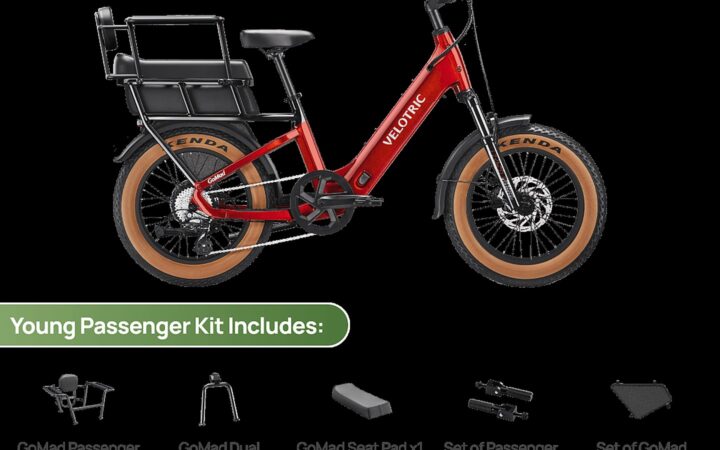
What U.S. shoppers should know about the Velotric GoMad’s cargo capacity, passenger setup, dual-battery option, handling, storage, and ownership costs.
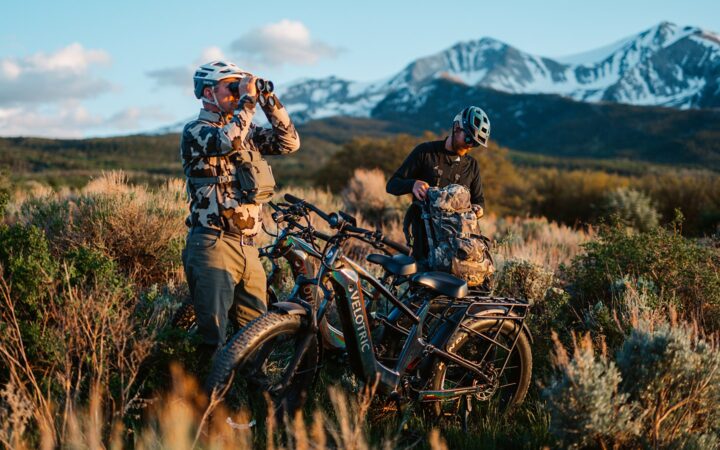
Compare Nomad 2X and GoMad for hunting, camping, cargo, passengers, rough terrain, storage, transport, payload, and dual-battery planning.
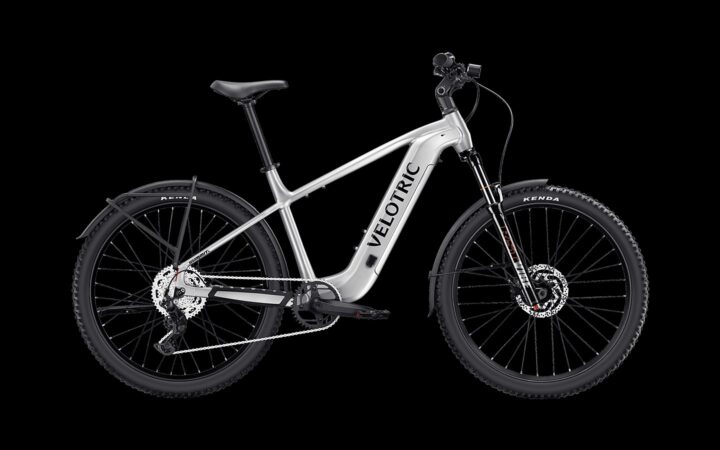
A route-based Summit 2 vs Nomad 2X comparison covering full suspension, fat tires, weight, payload, range, transport, and trail expectations.
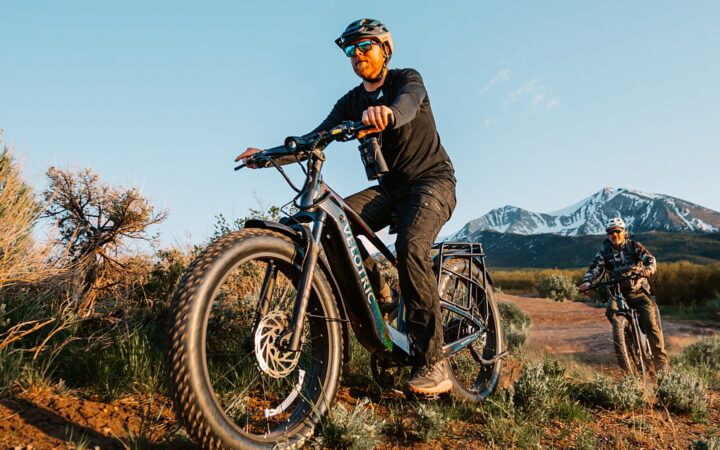
A buyer-focused Nomad 2X vs Nomad 2 comparison covering suspension, weight, range, payload, frame choice, towing claims, transport, and value.
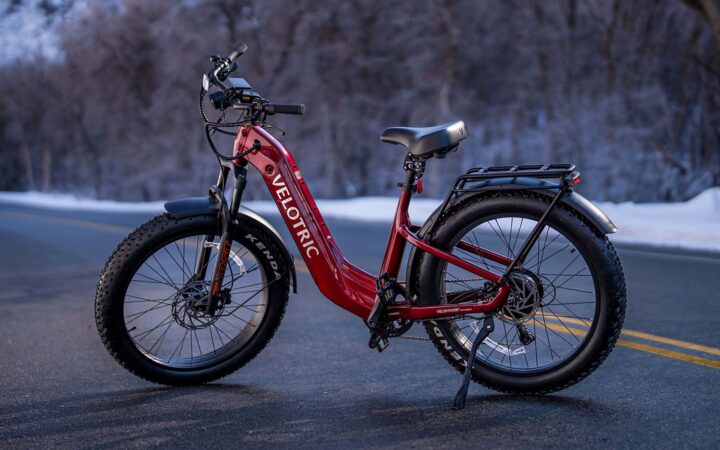
A realistic Velotric beach guide covering Nomad models, GoMad, tire pressure, loose sand, salt corrosion, range loss, cleaning, and local access rules.
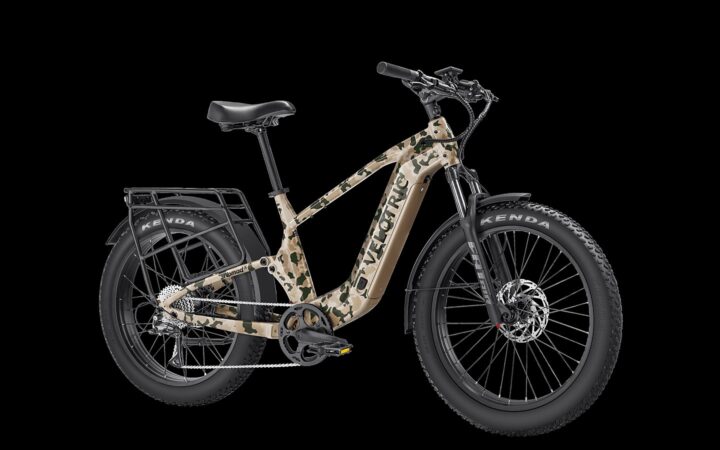
Compare Velotric winter options while planning for traction, battery temperature, salt, darkness, braking, storage, and realistic cold-weather range.
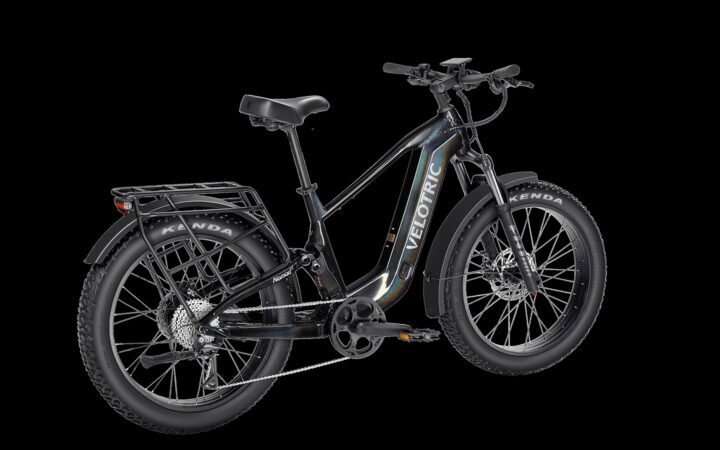
A responsible comparison of Nomad 2X, GoMad, and Summit 2 for hunting and fishing access, including cargo, towing, stealth, terrain, range, and land rules.
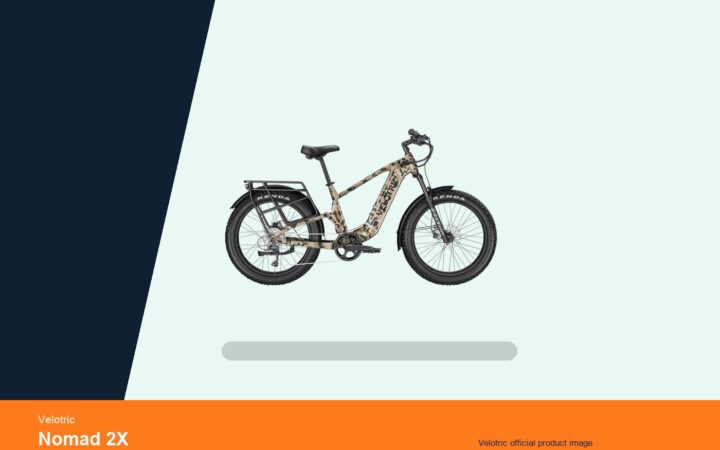
A practical overview of Velotric’s current Nomad fat tire e-bikes for rough pavement, gravel, snow, sand, and weekend recreation.
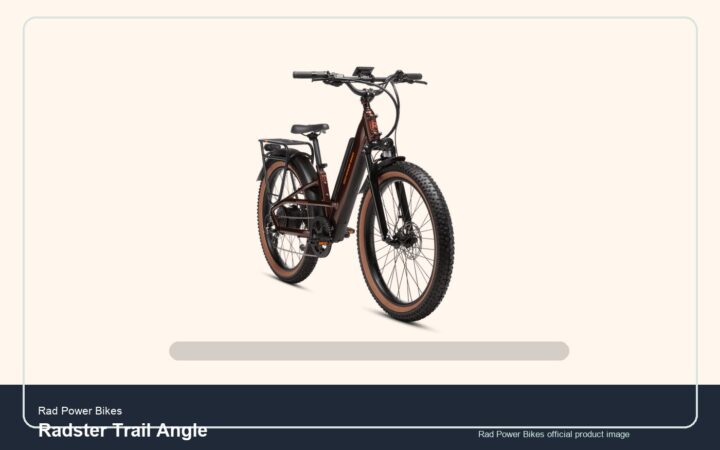
Fat tire e-bikes are best for stability, comfort on rough surfaces, and loose terrain. Commuter e-bikes are usually better for efficiency, storage, racks, predictable city use, and lower weight. The right choice depends on surfaces, storage, and how often you truly need big tires.
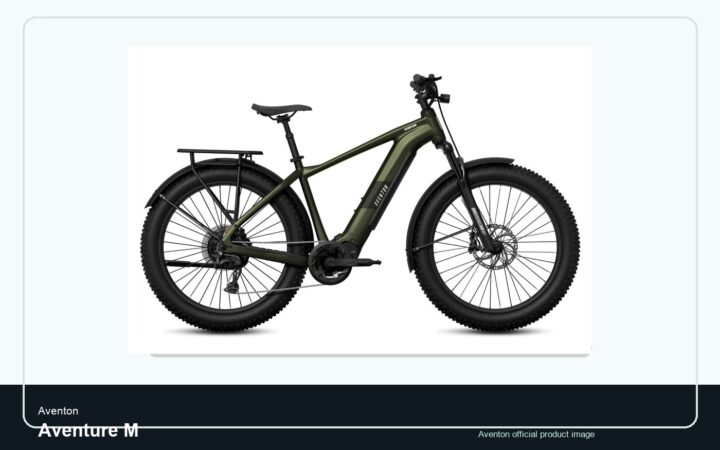
Fat tire e-bikes can be excellent on loose and rough surfaces, but buyers should understand weight, range, and handling tradeoffs.