
E-Bike or Moped? The Spec That Can Change Registration and Insurance
Compare pedals, assisted speed, motor classification, throttle, VIN, registration, licensing, equipment, and local definitions. A practical U.S. buyer.
eBikeScope archive
E-Bike Laws & Safety articles from eBikeScope.
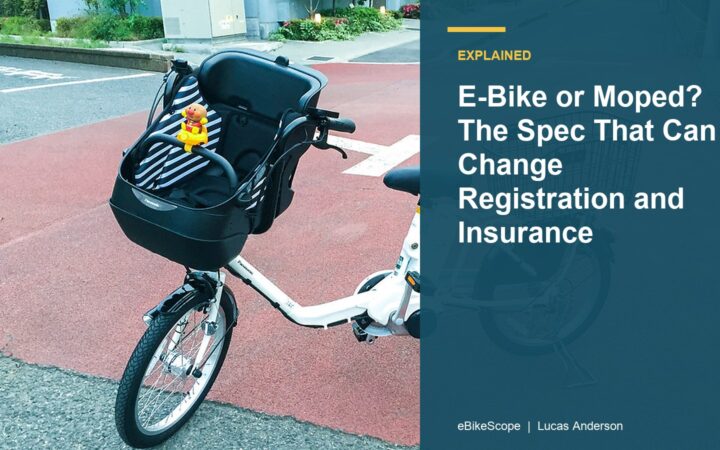
Compare pedals, assisted speed, motor classification, throttle, VIN, registration, licensing, equipment, and local definitions. A practical U.S. buyer.

Show how route, station, bicycle space, weight, tire width, battery, folding, and local agency rules affect access. A practical U.S. buyer guide covering.
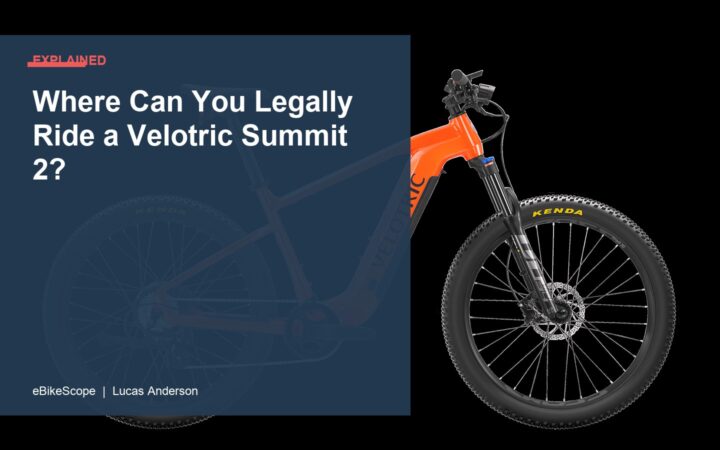
Separate class settings and hardware capability from federal, state, local, and land-manager trail permission. A practical U.S. buyer guide covering fit.
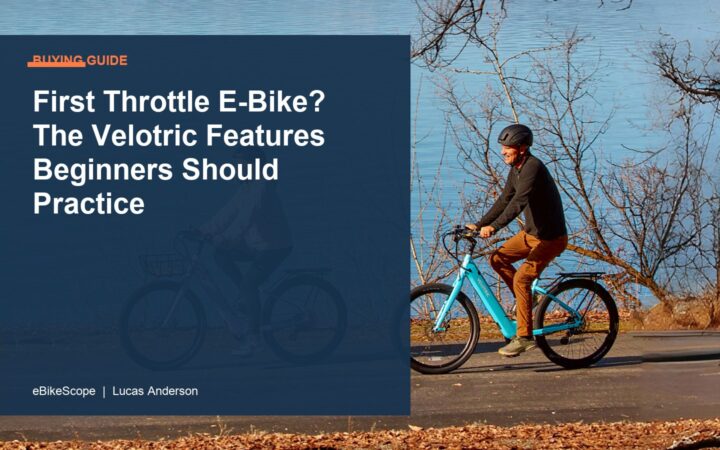
Build a low-risk progression for throttle starts, braking, turns, class modes, traffic, hills, and cargo. A practical U.S. buyer guide covering fit.
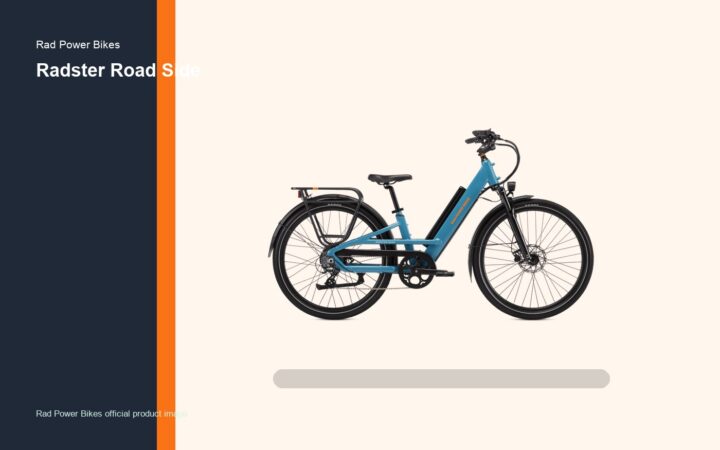
Class 1, Class 2, and Class 3 labels affect how an e-bike rides and where it may be allowed. Here’s the practical difference.
Explain airline and dangerous-goods limits, removable batteries, shipping constraints, rental alternatives, documentation, and advance approval. A.

Separate state classification from federal, local, private, and land-manager rules, signage, seasons, and trail etiquette. A practical U.S. buyer guide.
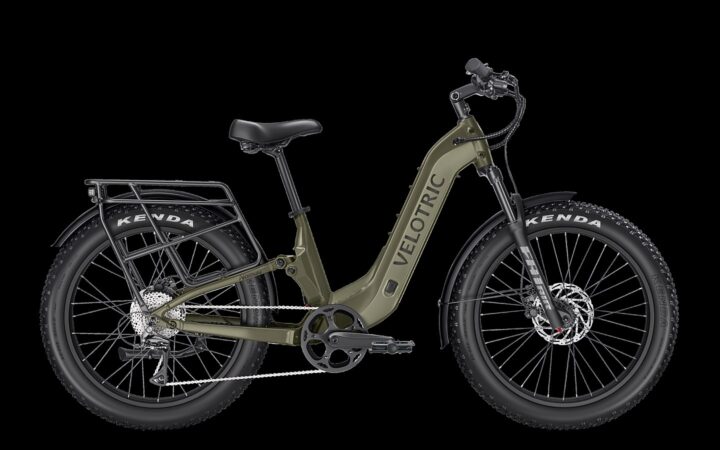
Understand Velotric class modes, throttle behavior, 20 versus 28 mph assistance, local access, passenger rules, and safe speed setup before riding.

Separate state and local mandates from class, age, facility rules, fit, replacement, visibility, and personal risk. A practical U.S. buyer guide covering.
Cover approved equipment, age and helmet rules, wheel protection, load, kickstand, braking, communication, and practice. A practical U.S. buyer guide.