
Torque Sensor vs Cadence Sensor: Which One Feels Safer at Low Speed?
Compare start behavior, rider effort, hills, traffic, accessibility, tuning, range, and test protocol. A practical U.S. buyer guide covering fit, route.
eBikeScope archive
E-Bike Laws & Safety articles from eBikeScope.
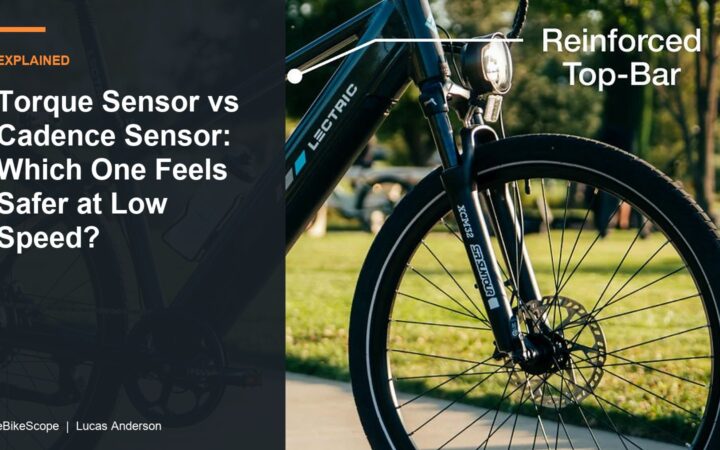
Compare start behavior, rider effort, hills, traffic, accessibility, tuning, range, and test protocol. A practical U.S. buyer guide covering fit, route.
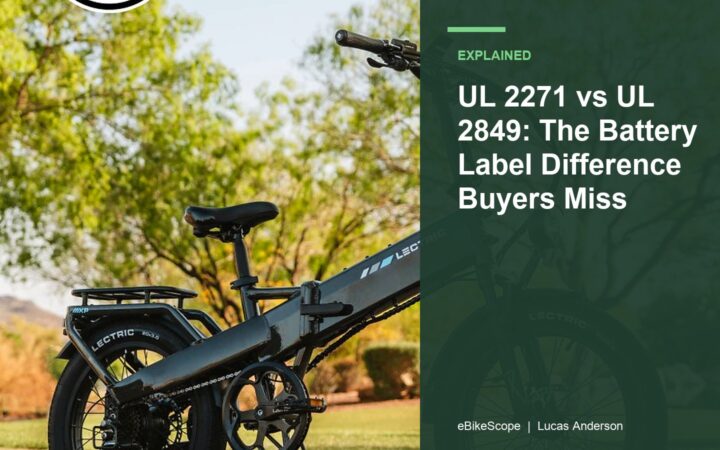
Separate battery-pack certification from complete electrical-system certification and explain why charger compatibility still matters. A practical U.S..

Put approved passenger hardware, school-zone control, helmets, weather, parking, and backup transport ahead of speed. A practical U.S. buyer guide.
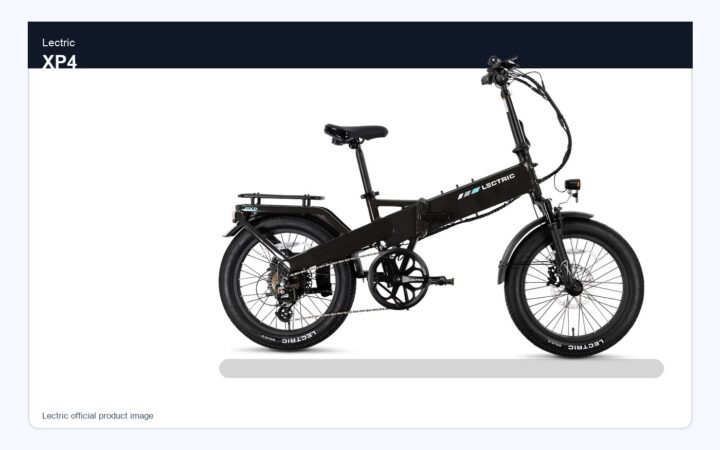
Your first e-bike should match your route, storage, local rules, service plan, and confidence level. Do not buy only by motor wattage, advertised range, or a discount countdown.

Turn official fire-safety guidance into purchase, charging, damage, storage, alarm, and emergency-response steps without sensational claims. A practical.

Battery care is one of the most important parts of e-bike ownership. Use these practical habits for safer charging and longer life.

Explain local definitions, business districts, age, class, speed, yielding, crossings, signage, and safer route alternatives. A practical U.S. buyer guide.
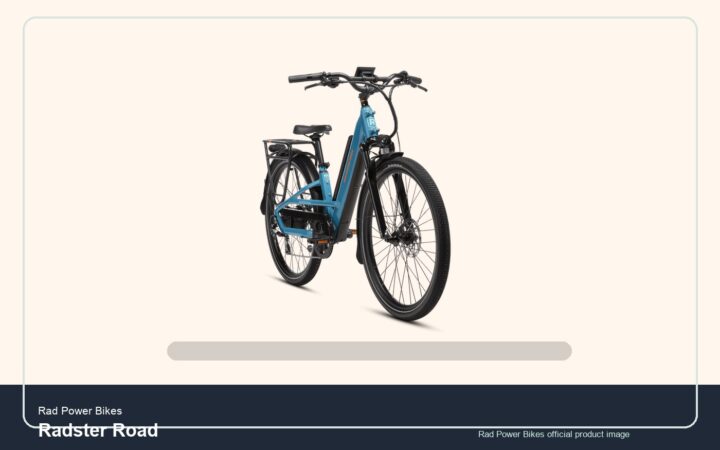
E-bikes are generally legal in the U.S., but where and how you can ride depends on state, local, trail, and class-specific rules.

New e-bike riders should practice starts, stops, signaling, low-speed turns, braking, and assist changes before riding in traffic. The biggest safety gains come from visibility, predictable behavior, helmet fit, speed discipline, and route choice.