
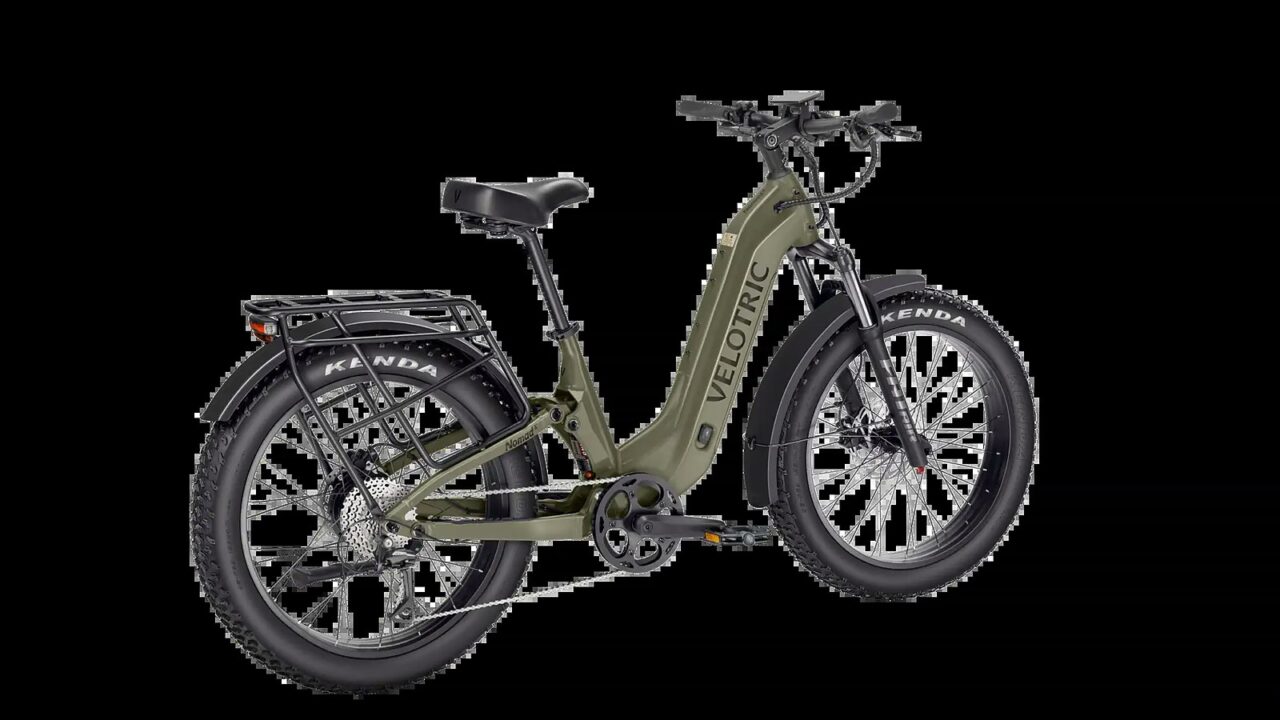
Velotric Battery Replacement and Charging Cost Guide is written for buyers calculating long-term battery cost and owners planning safe charging or future replacement. It is an editorial, specification-based buyer's guide, not a claim that Lucas Anderson personally tested every model or scenario. The analysis uses current official information for Velotric Discover M, Velotric Discover 3, Velotric Tempo, Velotric Breeze 1, Velotric Nomad 2X, Velotric Fold 1 Plus and concentrates on the decisions that remain after a shopper knows the motor and battery numbers.
Prices, bundles, inventory, software, and policies can change. The product pages and checkout observed during this August 2026 update are a snapshot, while Velotric's current page and the actual seller's written terms remain the final authority. That is why this guide separates stable ownership questions from temporary promotions.
Translate the feature into an ownership task
Technical features are useful only when the owner understands compatibility, setup, limits, and failure response. A label such as UL, IPX, SensorSwap, NFC, or Class 3 is a starting point for questions rather than a complete answer.
Questions this guide answers
- Exact compatibility
- Energy comparison
- Charging-cost math
- Approved charger
- Cycle aging
- Replacement availability
- Shipping and recycling
- Budget decision
- Buyer questions
- Final recommendation
Current model snapshot
| Model | Official price checked | Useful specifications |
|---|---|---|
| Velotric Discover M | $2,499 | 500W mid-drive, 100Nm rated torque, 801.6Wh battery, up to 95 miles, 60 lb, 440 lb capacity |
| Velotric Discover 3 | $1,999 | 750W rear hub motor, 75Nm torque, 730Wh battery, up to 80 miles, 61 lb, 440 lb capacity |
| Velotric Tempo | $1,499 | 350W hub motor, 45Nm torque, 374Wh removable battery, up to 60 miles, 39 lb, 330 lb capacity |
| Velotric Breeze 1 | $1,799 | 750W hub motor, 65Nm torque, 627Wh battery, up to 70 miles, 48 lb, 330 lb capacity |
| Velotric Nomad 2X | $2,399 | 750W hub motor, 105Nm torque, 801.6Wh battery, up to 75 miles, 80 lb, 560 lb capacity |
| Velotric Fold 1 Plus | $1,449 | 750W hub motor, 608Wh battery, up to 68 miles, 63 lb, 450 lb capacity |
Confirm current specifications, inventory, and included equipment on Velotric Discover M official page, Velotric Discover 3 official page, Velotric Tempo official page, Velotric Breeze 1 official page, Velotric Nomad 2X official page, Velotric Fold 1 Plus official page. Review Velotric’s warranty, return policy, and model manual when they apply.

Exact compatibility
battery voltage, connector, case, lock, firmware, and model generation must match; similar appearance is not enough. Watt-hours provide the stable energy comparison; miles change with assist, speed, hills, wind, temperature, tire pressure, rider effort, and load.
For Velotric Discover M, Velotric Discover 3, Velotric Tempo, Velotric Breeze 1, Velotric Nomad 2X, Velotric Fold 1 Plus, verify this point using the exact frame, configuration, and included equipment being purchased. Product-family assumptions can hide differences in model year, size, accessory rating, or software behavior.
Compare distance claims only after matching speed, assist, rider effort, terrain, temperature, tires, and load. A smaller efficient city bike can post a long laboratory maximum, while a high-capacity fat bike may consume more energy doing harder work. Neither headline predicts a specific commute until the operating conditions are defined.

Energy comparison
current packs range from roughly 352.8Wh to 801.6Wh, which affects both potential range and electricity consumed per full charge. Watt-hours provide the stable energy comparison; miles change with assist, speed, hills, wind, temperature, tire pressure, rider effort, and load.
Turn this into a test for buyers calculating long-term battery cost and owners planning safe charging or future replacement: reproduce the normal route or ownership task, use representative cargo and clothing, and record what is easy or difficult before increasing speed or assistance.
Create a conservative energy budget from battery watt-hours rather than advertised miles. Reserve at least the final part of the pack for headwinds, detours, colder weather, battery aging, and a missed charging session. After several representative rides, divide energy used by distance to establish a personal planning number for that rider and route.
Charging-cost math
multiply battery kilowatt-hours by local electricity price and allow for charger losses rather than quoting one national cost. Plan from the hardest normal day and keep a reserve until several real rides establish personal consumption. Do not schedule a necessary trip around the best-case maximum.
Ask the seller for a written answer when compatibility, capacity, warranty, or included hardware affects the purchase. Save the answer with the order because a photograph or general marketing sentence is not a model-specific commitment.
Compare distance claims only after matching speed, assist, rider effort, terrain, temperature, tires, and load. A smaller efficient city bike can post a long laboratory maximum, while a high-capacity fat bike may consume more energy doing harder work. Neither headline predicts a specific commute until the operating conditions are defined.

Approved charger
use only the charger specified for the exact model because voltage, current, connector, and safety systems must align. Watt-hours provide the stable energy comparison; miles change with assist, speed, hills, wind, temperature, tire pressure, rider effort, and load.
The practical comparison should include the completed bike, not an empty showroom setup. Locks, bags, passenger hardware, fenders, mirrors, alternate posts, and transport equipment can change weight, fit, clearance, and cost.
Compare distance claims only after matching speed, assist, rider effort, terrain, temperature, tires, and load. A smaller efficient city bike can post a long laboratory maximum, while a high-capacity fat bike may consume more energy doing harder work. Neither headline predicts a specific commute until the operating conditions are defined.

Cycle aging
capacity declines with cycles, heat, calendar time, deep storage depletion, and charging outside permitted temperatures. Treat every published maximum as a limit under defined conditions, not as a daily operating target. Speed, load, wet surfaces, and unfamiliar handling should be introduced separately.
For Velotric Discover M, Velotric Discover 3, Velotric Tempo, Velotric Breeze 1, Velotric Nomad 2X, Velotric Fold 1 Plus, verify this point using the exact frame, configuration, and included equipment being purchased. Product-family assumptions can hide differences in model year, size, accessory rating, or software behavior.
Write a progression plan before the first busy-road ride. It should include low-assist starts, controlled stops, emergency braking, shoulder checks, tight turns, hill starts, and any cargo or passenger setup in a quiet practice area. Add only one new source of speed, load, traffic, or poor traction after the previous step feels repeatable.
Replacement availability
check the official accessory page and dealer network before buying an older or discounted model. Describe a normal Tuesday before an exceptional weekend. The best purchase reduces friction on the most frequent trip instead of maximizing every possible specification.
Turn this into a test for buyers calculating long-term battery cost and owners planning safe charging or future replacement: reproduce the normal route or ownership task, use representative cargo and clothing, and record what is easy or difficult before increasing speed or assistance.
Score each candidate from one to five for fit, route capability, storage, charging, service, safety, and ownership cost. Give non-negotiables double weight and write one sentence explaining every score. The exercise is intentionally plain: it prevents a large motor number or a short-lived sale from deciding the purchase alone.

Shipping and recycling
damaged or end-of-life lithium-ion batteries require approved handling and should not enter normal household trash. Change one setting at a time, preserve defaults, and stop using the system when damage, heat, odor, swelling, leakage, or abnormal electrical behavior appears.
Ask the seller for a written answer when compatibility, capacity, warranty, or included hardware affects the purchase. Save the answer with the order because a photograph or general marketing sentence is not a model-specific commitment.
Keep a change log with the original setting, the reason for a change, the result, and the method to reverse it. This is especially useful for class modes, sensor response, app permissions, firmware, charging habits, and accessory wiring. It also gives support staff a clearer starting point when behavior changes unexpectedly.
Budget decision
a larger battery is worthwhile when the route needs reserve, not simply because it is the largest pack offered. Plan from the hardest normal day and keep a reserve until several real rides establish personal consumption. Do not schedule a necessary trip around the best-case maximum.
The practical comparison should include the completed bike, not an empty showroom setup. Locks, bags, passenger hardware, fenders, mirrors, alternate posts, and transport equipment can change weight, fit, clearance, and cost.
Create a conservative energy budget from battery watt-hours rather than advertised miles. Reserve at least the final part of the pack for headwinds, detours, colder weather, battery aging, and a missed charging session. After several representative rides, divide energy used by distance to establish a personal planning number for that rider and route.

Save the exact configuration
Record model year, serial, battery, charger, firmware, app version, frame, and accessory identifiers. Compatibility questions become easier to answer when the owner can identify the actual system instead of only the product family.
Change one variable at a time
Preserve default settings and adjust one mode, pressure, permission, or component at a time. Test in a low-risk place and reverse the change if behavior becomes less predictable.
Know the stop-use signals
Impact damage, swelling, unusual heat, odor, leakage, intermittent power, connector damage, or abnormal braking deserves immediate attention. Stop riding or charging and contact qualified support rather than opening electrical components.
Distinguish convenience from safety
App controls, tracking networks, NFC cards, sensor modes, water-resistance labels, and class settings can improve ownership, but none replaces a lock, safe storage, mechanical inspection, skill, or local legal compliance. Treat a digital feature as one layer in a larger system.
Verify the failure path
Ask what happens when the phone is dead, the card is lost, firmware fails, a connector gets wet, or a warning appears. Save support contacts and the relevant manual offline. A mature setup has a clear stop-use decision and recovery method before the feature is needed under pressure.
Keep a one-page decision record
List the exact feature, compatible model and year, default setting, required account or phone, offline behavior, safety limit, recovery method, and official instruction used. Then write whether the feature is necessary, useful, or optional for the rider. This keeps convenience claims separate from functions that affect safe and legal operation.
For Velotric Discover M, Velotric Discover 3, Velotric Tempo, Velotric Breeze 1, Velotric Nomad 2X, Velotric Fold 1 Plus, begin that record with exact compatibility and finish with budget decision. The buyer described here is buyers calculating long-term battery cost and owners planning safe charging or future replacement, so the written decision should name the normal route and ownership constraint in plain language. Date the record, save the official page or written seller answer used for changing specifications, and revisit it before the return period closes. If the chosen bike fails a non-negotiable after delivery, address the mismatch promptly rather than trying to justify the purchase with a feature that was never part of the original need.
Continue the research
Use Velotric range guide, battery maintenance to compare the fit, route, safety, and ownership questions from another angle before checkout.
Buyer questions
Why does exact compatibility matter before buying?
battery voltage, connector, case, lock, firmware, and model generation must match; similar appearance is not enough. Confirm the current model specification and test the requirement in the real route, fit, or ownership setting rather than relying on the headline alone.
What should I verify about charging-cost math?
multiply battery kilowatt-hours by local electricity price and allow for charger losses rather than quoting one national cost. Confirm the current model specification and test the requirement in the real route, fit, or ownership setting rather than relying on the headline alone.
Can replacement availability change the best model?
check the official accessory page and dealer network before buying an older or discounted model. Confirm the current model specification and test the requirement in the real route, fit, or ownership setting rather than relying on the headline alone.
How should a first-time buyer handle budget decision?
a larger battery is worthwhile when the route needs reserve, not simply because it is the largest pack offered. Confirm the current model specification and test the requirement in the real route, fit, or ownership setting rather than relying on the headline alone.
Final recommendation
For buyers calculating long-term battery cost and owners planning safe charging or future replacement, the best decision is the model or setup that satisfies the non-negotiable fit, route, storage, charging, legal, and service requirements with useful reserve. Choose capability only when it solves a repeated problem, and choose simplicity when extra weight, cost, or maintenance would be felt more often than the added feature.
Check the final configuration
Confirm size, color, included equipment, shipping, current price, and policy on the official Velotric Discover M page. Code REF601753 may provide $60 off when eligible; Velotric’s current checkout and terms are the final authority.