
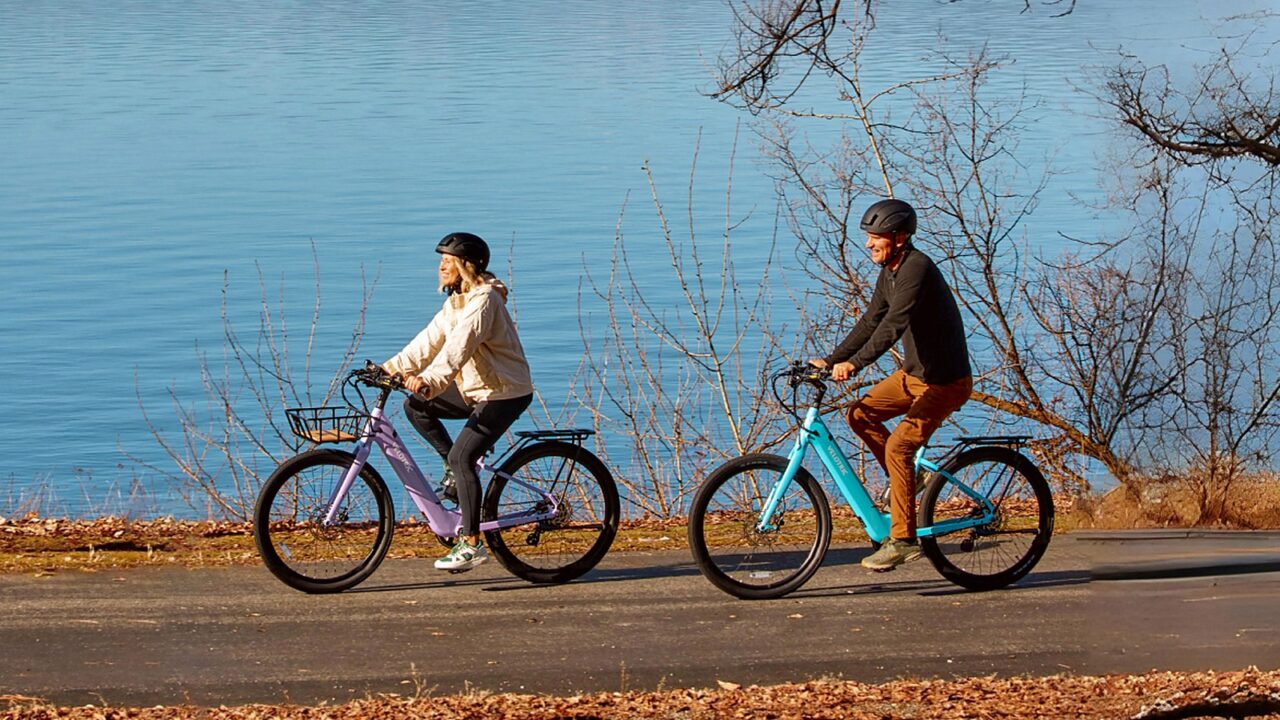
Breeze 1 is positioned between a traditional comfort cruiser and a full-size commuter. It combines an upright step-through frame and rigid fork with a 750W motor, torque/cadence SensorSwap, hydraulic brakes, and a relatively manageable 48-pound listed weight. That is a distinct formula from the heavier Discover 3.
This is an editorial review based on Velotric's official specifications, geometry, and included equipment. The product feed listed $1,799 on August 19, 2026, while temporary promotions may show a different checkout total.
The short answer
This model has a clear purpose rather than trying to be every kind of e-bike. The review below starts with the ownership problem it solves, then tests the compromises against commuting, comfort, storage, and cost.
Specifications that matter
| Item | Official specification or policy |
|---|---|
| Weight / capacity | 48 lb / 330 lb |
| Motor | 750W / 65Nm |
| Battery / range | 627Wh / up to 70 miles |
| Fit | Regular 4'11-5'8; Large 5'6-6'4 |
| Ride posture | Upright cruiser with 380mm step-over |
Specifications and current configurations can be checked on Velotric Breeze 1 official product page.

The real appeal is manageable comfort
Many comfort e-bikes reach 60 pounds or more. Breeze 1's 48-pound listing can make parking, garage maneuvering, and vehicle transport less intimidating while preserving an upright position and wide saddle. Low-speed control, parking, and walking the bike often reveal more than a fast straight-line demonstration.
It is not genuinely light by acoustic-bike standards. Try walking it backward, turning in a narrow aisle, and lifting the front wheel before deciding that the number solves every mobility concern.
Low step-through geometry
Both sizes list a 380mm stand-over height. Regular is intended for 4 feet 11 inches to 5 feet 8 inches; Large for 5 feet 6 inches to 6 feet 4 inches, creating a meaningful overlap. Small adjustments can refine a suitable frame, but they cannot rescue a frame whose basic saddle range or reach is wrong.
Shorter riders should compare minimum saddle height, not only stand-over. Riders in the overlap should test reach and handlebar height because the same low frame opening can still produce a different upper-body fit.

Cruiser posture: relief and tradeoffs
The swept bar and adjustable stem support a relaxed upright posture that can reduce forward pressure on hands. The position also puts more body weight on the saddle and catches more wind at speed. A correct setup should feel controlled during mounting, stopping, turning, and walking as well as while cruising.
A soft saddle is not a universal cure for discomfort. Correct saddle height, reach, grip angle, and gradual ride duration matter, and persistent pain deserves professional fit or medical guidance.
Rigid fork versus suspension
Breeze 1 uses an aluminum rigid fork, relying on 27.5 x 2.2-inch tires and contact points for comfort. This saves weight and steering complexity compared with a suspension commuter. Handling should be judged with the intended tire pressure, fit, and normal cargo rather than an empty display bike alone.
It suits smooth streets, paths, parks, and casual rides. Repeated potholes, broken pavement, and gravel washboard are reasons to compare Discover 3's air fork and suspension seatpost.

The 750W motor is not the whole hill story
The hub motor lists 65Nm and can switch between torque and cadence sensor behavior. Torque mode rewards active pedaling; cadence mode can provide steadier support with less pedal pressure. The useful question is how often that condition appears, not whether the bike can encounter it once.
For short neighborhood hills, this is a strong specification. Long steep climbs with a heavy rider still demand lower gearing, measured expectations, and possibly a mid-drive alternative.
Reading the 70-mile claim
Velotric bases the headline pedal-assist figure on favorable conditions and notes that 50 to 60 miles may be a more practical expectation depending on terrain, assist, pressure, load, and wind. Throttle range is listed lower. The most honest comparison uses battery watt-hours and route conditions together instead of treating claimed miles as fixed.
A casual 10-mile park ride has ample reserve. A 45-mile day near maximum assist needs a charging or turnaround plan rather than confidence in the headline alone.

Included versus optional utility equipment
Breeze 1 supports racks, fenders, baskets, and a suspension seatpost, but shoppers should verify what is included with the current configuration. Product photography may show accessories that are sold separately. Compare the complete setup, including accessories, assembly, locks, transport, and likely service rather than the bike price alone.
Build a complete cart for commuting or errands. A cruiser used only for recreation may not need the weight and cost of a full rack-and-fender package.
Brakes, lights, and class choices
Hydraulic disc brakes, a 400-lumen headlight, brake light, and turn signals provide a solid equipment base. The bike can be configured for Class 1, 2, or 3 behavior where legal. Practice in a low-risk area before adding speed, cargo, passengers, traffic, or uneven terrain.
Twenty-eight mph is fast for an upright cruiser. Increase speed gradually, wear an appropriate helmet, and verify local access rules before changing class settings.

Breeze 1 versus Discover 3
Breeze is 13 pounds lighter and oriented toward smooth comfort riding. Discover 3 adds suspension, a larger battery, higher payload, rack and fender utility, and a more planted commuter feel. Compare the complete setup, including accessories, assembly, locks, transport, and likely service rather than the bike price alone.
Choose Breeze for easy handling, recreation, and simpler storage. Choose Discover 3 for rougher streets, cargo, longer high-demand routes, and all-weather commuting equipment.
Who should skip Breeze 1
It is less suitable for heavy cargo, very rough surfaces, repeated steep climbing at maximum load, or riders who require a suspension fork. The 330-pound maximum includes rider and cargo. The right model reduces friction in the most common trip instead of maximizing every possible specification.
It is strongest for casual rides, parks, paved paths, and neighborhood errands where accessibility and a calm riding position matter more than utility capacity.

Simulate one normal week
Imagine Velotric Breeze 1 through five ordinary days: leaving storage, reaching an outlet, carrying work or groceries, parking securely, and returning in poor weather. This exercise is more revealing than imagining a perfect weekend path. Note every point where weight, frame access, missing accessories, battery removal, or service would create extra work. A well-matched e-bike should reduce transportation friction instead of moving it from the road into the hallway or garage.
Test the first five minutes carefully
The first useful checks are mounting, brake reach, start-up behavior, a tight turn, and walking the bike backward. Next, try the lowest assist and pedal with the motor off. Those moments show fit, balance, gearing, and weight more clearly than a high-assist straight run. If a dealer allows a longer ride, include the roughest nearby pavement and a representative hill rather than spending the entire demonstration on a smooth parking lot.
Price the ownership-ready bike
Add the exact fenders, rack, bag, mirror, lock, helmet, spare tube or sealant, and assembly service required for the planned use. Product photos frequently show an ideal setup rather than the base box. Compare that completed total with a model that includes more equipment. The less expensive bike can remain the better value, but the decision should be based on what will be ridden, not on a checkout subtotal that omits necessary equipment.
Identify the most likely mismatch
The main risk with Velotric Breeze 1 is not a hidden specification; it is choosing the model for a feature that does not match the rider. A light city bike disappoints when asked to haul like a cargo bike, while a comfort cruiser frustrates an owner who must carry it upstairs. State the model's central compromise in one sentence. If that compromise affects a daily task, compare a different Velotric family before buying.
Set a personal decision rule
Choose three non-negotiables and two preferences. Non-negotiables might be minimum saddle height, indoor charging, ground-level storage, a legal class setting, or a shop willing to service the system. Preferences might include color, app functions, or maximum range. Reject any model that misses a non-negotiable even when the promotion is attractive. This simple hierarchy protects against buying a discounted bike that is expensive to return or difficult to use.
Build a no-regret purchase record
Before paying for Velotric Breeze 1, write a one-page decision that addresses the real appeal is manageable comfort, cruiser posture: relief and tradeoffs, the 750w motor is not the whole hill story, and included versus optional utility equipment. Use the rider's actual measurements, route, load, storage, charging location, and service access. A written record exposes contradictions that are easy to overlook while comparing colorful product pages. It also creates a useful list for a dealer or support representative, who can confirm whether the selected size, accessory, battery, and class configuration matches the intended use.
Save the current official page for Velotric Breeze 1, the cart showing included equipment, the return and warranty terms, and any written compatibility answer. Product bundles and prices can change between research and checkout. Confirm model year, frame, color, charger, battery, rack or passenger hardware, and delivery method on the final order. Do not rely on a review photograph to establish what comes in the box. If a feature is essential, it should appear in the current specification or in a direct written answer from the seller.
During the first month, revisit low step-through geometry, rigid fork versus suspension, reading the 70-mile claim, and breeze 1 versus discover 3. Record tire pressure, assist mode, distance, battery use, weather, cargo, and any fit or brake adjustment. Small early corrections can improve comfort and reliability, while repeated problems may indicate that the model or setup is wrong. Keep packaging until the return window and condition are understood, register the bike promptly, and follow the manual's inspection schedule. This turns a buying guide into an ownership baseline instead of letting the research disappear after checkout.
Continue the buying research
Compare this decision with our best step-through guide, the Velotric guide for older riders. These guides cover the route, fit, safety, and ownership questions that a single product page cannot settle.
Frequently asked questions
Is Breeze 1 good for beginners?
Its low step-through and manageable weight can help, but beginners should start in low assist, practice braking and turns, and confirm fit.
Does Breeze 1 have a removable battery?
Yes. Velotric lists a removable 48V 13.4Ah battery and a 3A charger.
Can it be ridden in rain?
The bike is listed IPX6 and the battery IPX7. Ratings are not permission for flooding, pressure washing, or careless charging when wet.
Does it carry 330 pounds of cargo?
No. The 330-pound figure is total rider-plus-cargo capacity. Accessory and rack limits may be lower.
Bottom line
Breeze 1 is a thoughtful choice for riders who want cruiser comfort without a 60-plus-pound chassis. Its lower weight and step-through frame are the reason to buy it; Discover 3 remains the better tool for cargo and rougher commuting. Test the exact size, because easy mounting does not automatically guarantee correct reach.
Check the current configuration before checkout
Visit the official Velotric Breeze 1 page to confirm color, size, included accessories, shipping, and current price. Code REF601753 may provide $60 off when eligible; Velotric’s checkout and current terms are the final authority.
Before placing the order
Write down the actual weekly mileage, steepest grade, storage route, charging location, normal cargo, and service shop. Compare those facts with the model’s weight, battery, frame, brakes, and included equipment. This short exercise prevents a headline specification from outweighing the practical details that determine whether the bike is easy to use after delivery.
A sensible first-month plan
Begin in the lowest useful assist mode, confirm tire pressure and fasteners, practice braking and low-speed turns, and increase speed gradually. Recheck the manual after the first rides, schedule any recommended inspection, and record battery use on the real route. Personal data quickly becomes more useful than a generic range claim.
What a product page cannot decide
A manufacturer can publish dimensions, certifications, and component specifications, but it cannot know the rider’s balance, local traffic, stairs, weather, trail rules, or access to service. Those are not minor exceptions. They are part of the purchase and deserve the same attention as motor output and advertised range.