
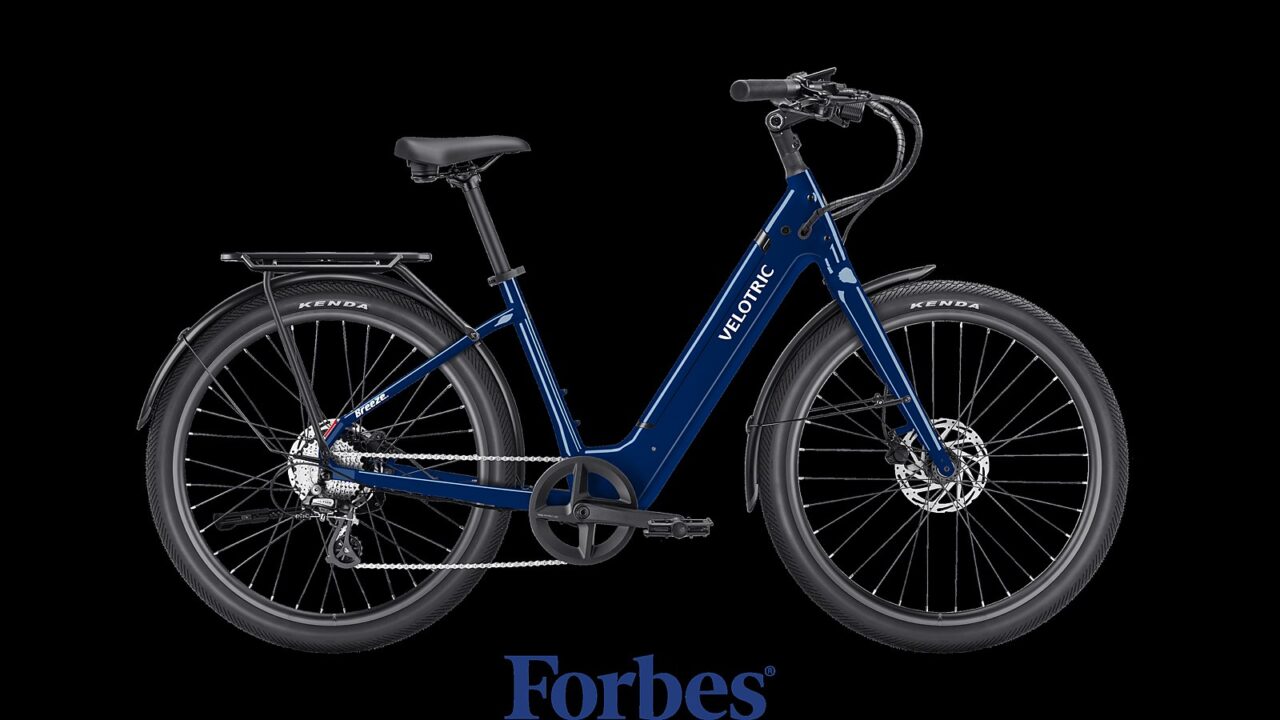
Best Velotric E-Bikes for Fitness and Active Riding is written for riders who want electric assistance to support consistent exercise rather than replace pedaling. It is an editorial, specification-based buyer's guide, not a claim that Lucas Anderson personally tested every model or scenario. The analysis uses current official information for Velotric Tempo, Velotric T1 ST Plus, Velotric Summit 2, Velotric Breeze 1 and concentrates on the decisions that remain after a shopper knows the motor and battery numbers.
Prices, bundles, inventory, software, and policies can change. The product pages and checkout observed during this August 2026 update are a snapshot, while Velotric's current page and the actual seller's written terms remain the final authority. That is why this guide separates stable ownership questions from temporary promotions.
There is no universal winner
A shortlist should eliminate poor fits before ranking specifications. The best model for one rider can be the wrong model for another when height, combined load, stairs, terrain, mobility, or service access changes.
Questions this guide answers
- Tempo
- T1 ST Plus
- Summit 2
- Breeze 1
- Torque versus cadence
- Assist discipline
- Fit and overuse
- Data privacy
- Buyer questions
- Final recommendation
Current model snapshot
| Model | Official price checked | Useful specifications |
|---|---|---|
| Velotric Tempo | $1,499 | 350W hub motor, 45Nm torque, 374Wh removable battery, up to 60 miles, 39 lb, 330 lb capacity |
| Velotric T1 ST Plus | $1,299 | 350W hub motor, torque sensor, 352.8Wh integrated battery, up to 70 miles, 39 lb, 330 lb capacity |
| Velotric Summit 2 | $2,099 | 750W hub motor, 100Nm torque, 801.6Wh battery, up to 95 miles, 57 lb, 440 lb capacity, 120mm air fork |
| Velotric Breeze 1 | $1,799 | 750W hub motor, 65Nm torque, 627Wh battery, up to 70 miles, 48 lb, 330 lb capacity |
Confirm current specifications, inventory, and included equipment on Velotric Tempo official page, Velotric T1 ST Plus official page, Velotric Summit 2 official page, Velotric Breeze 1 official page.

Tempo
Pulse Mode can adjust assistance around heart-rate input, while 39-pound weight and a removable battery support practical city exercise. Watt-hours provide the stable energy comparison; miles change with assist, speed, hills, wind, temperature, tire pressure, rider effort, and load.
The practical comparison should include the completed bike, not an empty showroom setup. Locks, bags, passenger hardware, fenders, mirrors, alternate posts, and transport equipment can change weight, fit, clearance, and cost.
Create a conservative energy budget from battery watt-hours rather than advertised miles. Reserve at least the final part of the pack for headwinds, detours, colder weather, battery aging, and a missed charging session. After several representative rides, divide energy used by distance to establish a personal planning number for that rider and route.

T1 ST Plus
torque-only assistance, no throttle, and efficient 700c tires keep the ride closest to a conventional fitness bike. Height is only the first filter. Saddle range, stand-over, reach, control access, and confidence during mounting and stopping decide whether the published fit works.
For Velotric Tempo, Velotric T1 ST Plus, Velotric Summit 2, Velotric Breeze 1, verify this point using the exact frame, configuration, and included equipment being purchased. Product-family assumptions can hide differences in model year, size, accessory rating, or software behavior.
Measure the rider in normal footwear and compare the result with the current geometry chart, but let control decide the final answer. The rider should be able to reach both brake levers confidently, steer at walking speed, dismount without catching clothing, and push the complete bike through the storage route without losing balance.
Summit 2
mixed-terrain geometry and a broad gear range suit more active gravel and trail-adjacent sessions. Plan from the hardest normal day and keep a reserve until several real rides establish personal consumption. Do not schedule a necessary trip around the best-case maximum.
Turn this into a test for riders who want electric assistance to support consistent exercise rather than replace pedaling: reproduce the normal route or ownership task, use representative cargo and clothing, and record what is easy or difficult before increasing speed or assistance.
Create a conservative energy budget from battery watt-hours rather than advertised miles. Reserve at least the final part of the pack for headwinds, detours, colder weather, battery aging, and a missed charging session. After several representative rides, divide energy used by distance to establish a personal planning number for that rider and route.

Breeze 1
upright posture and SensorSwap serve lower-impact recreation when speed and aggressive position are not goals. Change one setting at a time, preserve defaults, and stop using the system when damage, heat, odor, swelling, leakage, or abnormal electrical behavior appears.
Ask the seller for a written answer when compatibility, capacity, warranty, or included hardware affects the purchase. Save the answer with the order because a photograph or general marketing sentence is not a model-specific commitment.
Keep a change log with the original setting, the reason for a change, the result, and the method to reverse it. This is especially useful for class modes, sensor response, app permissions, firmware, charging habits, and accessory wiring. It also gives support staff a clearer starting point when behavior changes unexpectedly.

Torque versus cadence
torque sensing rewards pedal effort; cadence mode can reduce effort and is less useful when exercise consistency is the priority. List the rider, route, load, storage, charging, and service constraints in writing, then reject any model that misses a non-negotiable.
The practical comparison should include the completed bike, not an empty showroom setup. Locks, bags, passenger hardware, fenders, mirrors, alternate posts, and transport equipment can change weight, fit, clearance, and cost.
Convert the intended use into a weekly schedule with distance, stops, cargo, weather, storage, charging time, and who else may ride. This exposes conflicting requirements early. A bike optimized for a long weekend path may be awkward for five daily stair carries, while a light commuter may not support a recurring passenger job.
Assist discipline
lower modes, appropriate gearing, and repeatable routes make effort easier to compare over time. Confirm the exact model year and current manual because firmware, accessories, batteries, and included hardware can change while a familiar product name remains.
For Velotric Tempo, Velotric T1 ST Plus, Velotric Summit 2, Velotric Breeze 1, verify this point using the exact frame, configuration, and included equipment being purchased. Product-family assumptions can hide differences in model year, size, accessory rating, or software behavior.
Keep a change log with the original setting, the reason for a change, the result, and the method to reverse it. This is especially useful for class modes, sensor response, app permissions, firmware, charging habits, and accessory wiring. It also gives support staff a clearer starting point when behavior changes unexpectedly.

Fit and overuse
saddle height, gradual duration, and recovery matter; an e-bike cannot diagnose or prevent injury. Height is only the first filter. Saddle range, stand-over, reach, control access, and confidence during mounting and stopping decide whether the published fit works.
Turn this into a test for riders who want electric assistance to support consistent exercise rather than replace pedaling: reproduce the normal route or ownership task, use representative cargo and clothing, and record what is easy or difficult before increasing speed or assistance.
Photograph or write down the saddle height, handlebar position, and any alternate seatpost used during a successful fit check. Repeat several starts and stops on level ground, including a stop that requires looking over one shoulder. A fit that works only while the bike is held upright by another person is not yet an ownership-ready fit.
Data privacy
review app and wearable permissions before sharing health or location data for Pulse Mode or ride tracking. Confirm the exact model year and current manual because firmware, accessories, batteries, and included hardware can change while a familiar product name remains.
Ask the seller for a written answer when compatibility, capacity, warranty, or included hardware affects the purchase. Save the answer with the order because a photograph or general marketing sentence is not a model-specific commitment.
Before relying on a feature, reproduce its setup from the current manual and confirm how it behaves after the phone is offline, the battery is removed, or an account credential is unavailable. Smart functions should add convenience without becoming the only way to unlock, locate, configure, or safely operate the bicycle.

Rank non-negotiables before models
Write three requirements that cannot be fixed later, such as minimum saddle height, total capacity, stair weight, battery removal, legal class, or nearby service. Eliminate any model that misses one before comparing color or promotion.
Test the top two, not every bike
Once the shortlist is small, test the exact size and closest configuration. Repeated mounting, a slow U-turn, firm braking, and walking through storage reveal more than opening additional specification tabs.
Keep the runner-up visible
A second choice makes tradeoffs clearer and protects against unavailable inventory. Record why it lost; if a promotion changes only price and not the failed requirement, it should not suddenly become the winner.
Separate rider fit from category labels
Senior, short, tall, heavy, commuter, and recreational are useful search terms but incomplete buying criteria. Replace the label with measurable needs: saddle range, reach, hand strength, balance, load, route grade, walking weight, charging access, and service distance. Those measurements create a defensible shortlist.
Recheck after adding equipment
Repeat the ranking with the actual rack, lock, bags, child or passenger system, suspension post, and transport equipment. Added hardware can raise saddle height, block a battery, exceed a rack rating, move weight rearward, or make a previously manageable bike too difficult to lift.
Keep a one-page decision record
Give every candidate a pass or fail for the non-negotiables, then score only the remaining bikes for comfort, route reserve, storage, charging, service, security, and first-year cost. Keep the measurements beside the score. A model eliminated for fit, control, capacity, or transport should not reappear merely because its price changes at checkout.
For Velotric Tempo, Velotric T1 ST Plus, Velotric Summit 2, Velotric Breeze 1, begin that record with tempo and finish with data privacy. The buyer described here is riders who want electric assistance to support consistent exercise rather than replace pedaling, so the written decision should name the normal route and ownership constraint in plain language. Date the record, save the official page or written seller answer used for changing specifications, and revisit it before the return period closes. If the chosen bike fails a non-negotiable after delivery, address the mismatch promptly rather than trying to justify the purchase with a feature that was never part of the original need.
Continue the research
Use Tempo review, T1 ST Plus review to compare the fit, route, safety, and ownership questions from another angle before checkout.
Buyer questions
Why does tempo matter before buying?
Pulse Mode can adjust assistance around heart-rate input, while 39-pound weight and a removable battery support practical city exercise. Confirm the current model specification and test the requirement in the real route, fit, or ownership setting rather than relying on the headline alone.
What should I verify about summit 2?
mixed-terrain geometry and a broad gear range suit more active gravel and trail-adjacent sessions. Confirm the current model specification and test the requirement in the real route, fit, or ownership setting rather than relying on the headline alone.
Can assist discipline change the best model?
lower modes, appropriate gearing, and repeatable routes make effort easier to compare over time. Confirm the current model specification and test the requirement in the real route, fit, or ownership setting rather than relying on the headline alone.
How should a first-time buyer handle data privacy?
review app and wearable permissions before sharing health or location data for Pulse Mode or ride tracking. Confirm the current model specification and test the requirement in the real route, fit, or ownership setting rather than relying on the headline alone.
Final recommendation
For riders who want electric assistance to support consistent exercise rather than replace pedaling, the best decision is the model or setup that satisfies the non-negotiable fit, route, storage, charging, legal, and service requirements with useful reserve. Choose capability only when it solves a repeated problem, and choose simplicity when extra weight, cost, or maintenance would be felt more often than the added feature.
Check the final configuration
Confirm size, color, included equipment, shipping, current price, and policy on the official Velotric Tempo page. Code REF601753 may provide $60 off when eligible; Velotric’s current checkout and terms are the final authority.