
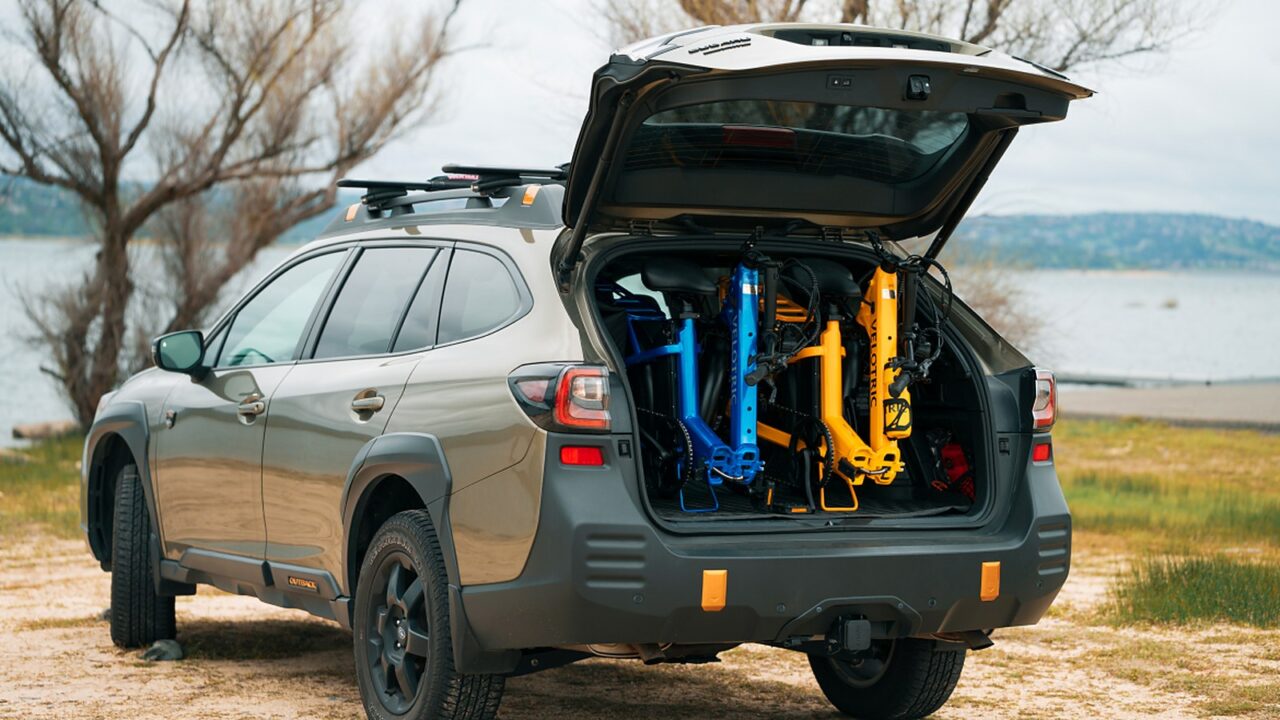
Velotric Fold 1 Plus vs T1 ST Plus: Folding Convenience or True Low Weight? is written for apartment, RV, and car owners deciding whether folding size or lower carrying weight matters more. It is an editorial, specification-based buyer's guide, not a claim that Lucas Anderson personally tested every model or scenario. The analysis uses current official information for Velotric Fold 1 Plus, Velotric T1 ST Plus and concentrates on the decisions that remain after a shopper knows the motor and battery numbers.
Prices, bundles, inventory, software, and policies can change. The product pages and checkout observed during this August 2026 update are a snapshot, while Velotric's current page and the actual seller's written terms remain the final authority. That is why this guide separates stable ownership questions from temporary promotions.
The choice in one sentence
A useful comparison does not ask which bike has the longest feature list. It asks which differences change the same rider's route, storage, comfort, safety, and total cost often enough to justify choosing one over the other.
Questions this guide answers
- Folding is not lightweight
- Storage geometry
- Motor behavior
- Tires and surfaces
- Battery access
- Range claims
- Vehicle transport
- Decision rule
- Buyer questions
- Final recommendation
Current model snapshot
| Model | Official price checked | Useful specifications |
|---|---|---|
| Velotric Fold 1 Plus | $1,449 | 750W hub motor, 608Wh battery, up to 68 miles, 63 lb, 450 lb capacity |
| Velotric T1 ST Plus | $1,299 | 350W hub motor, torque sensor, 352.8Wh integrated battery, up to 70 miles, 39 lb, 330 lb capacity |
Confirm current specifications, inventory, and included equipment on Velotric Fold 1 Plus official page, Velotric T1 ST Plus official page.

Folding is not lightweight
Fold 1 Plus reduces footprint but remains about 63 pounds, while T1 ST Plus is a non-folding 39-pound bicycle. Describe a normal Tuesday before an exceptional weekend. The best purchase reduces friction on the most frequent trip instead of maximizing every possible specification.
For Velotric Fold 1 Plus, Velotric T1 ST Plus, verify this point using the exact frame, configuration, and included equipment being purchased. Product-family assumptions can hide differences in model year, size, accessory rating, or software behavior.
Score each candidate from one to five for fit, route capability, storage, charging, service, safety, and ownership cost. Give non-negotiables double weight and write one sentence explaining every score. The exercise is intentionally plain: it prevents a large motor number or a short-lived sale from deciding the purchase alone.

Storage geometry
measure the Fold's actual folded dimensions and lifting path; measure T1's full length, wall rack, stairs, and elevator turns. Keep purchase records, manuals, packaging during the return period, serial information, and written compatibility answers in one ownership file.
Turn this into a test for apartment, RV, and car owners deciding whether folding size or lower carrying weight matters more: reproduce the normal route or ownership task, use representative cargo and clothing, and record what is easy or difficult before increasing speed or assistance.
Trace the complete ownership path: delivery point, assembly space, charging outlet, overnight storage, daily lock location, cleaning area, service shop, and transport option for a disabled bike. A model that fits the route but cannot be moved through one of these steps will create friction on every week of ownership.
Motor behavior
Fold uses a 750W hub motor with throttle and SensorSwap; T1 uses a 350W torque-sensing system without throttle. Confirm the exact model year and current manual because firmware, accessories, batteries, and included hardware can change while a familiar product name remains.
Ask the seller for a written answer when compatibility, capacity, warranty, or included hardware affects the purchase. Save the answer with the order because a photograph or general marketing sentence is not a model-specific commitment.
Before relying on a feature, reproduce its setup from the current manual and confirm how it behaves after the phone is offline, the battery is removed, or an account credential is unavailable. Smart functions should add convenience without becoming the only way to unlock, locate, configure, or safely operate the bicycle.

Tires and surfaces
Fold's compact wide tires and suspension support rougher paths; T1's 700c tires favor efficient pavement and light gravel. Map the steepest grade and roughest recurring surface rather than the most dramatic trip imagined once a year. Route frequency determines whether specialized hardware earns its cost.
The practical comparison should include the completed bike, not an empty showroom setup. Locks, bags, passenger hardware, fenders, mirrors, alternate posts, and transport equipment can change weight, fit, clearance, and cost.
Test low-speed control before testing speed. Loose climbs, sand, snow, gravel, roots, and loaded turns punish abrupt steering or throttle inputs. Correct tire pressure, body position, braking technique, and a recovery plan often matter as much as the difference between two motors on a specification sheet.

Battery access
Fold has a larger removable pack; T1's smaller integrated battery requires charging beside the complete bike. Watt-hours provide the stable energy comparison; miles change with assist, speed, hills, wind, temperature, tire pressure, rider effort, and load.
For Velotric Fold 1 Plus, Velotric T1 ST Plus, verify this point using the exact frame, configuration, and included equipment being purchased. Product-family assumptions can hide differences in model year, size, accessory rating, or software behavior.
Create a conservative energy budget from battery watt-hours rather than advertised miles. Reserve at least the final part of the pack for headwinds, detours, colder weather, battery aging, and a missed charging session. After several representative rides, divide energy used by distance to establish a personal planning number for that rider and route.
Range claims
Fold lists up to 68 miles and T1 up to 70, but their different energy capacity and rider contribution make those numbers non-equivalent. Plan from the hardest normal day and keep a reserve until several real rides establish personal consumption. Do not schedule a necessary trip around the best-case maximum.
Turn this into a test for apartment, RV, and car owners deciding whether folding size or lower carrying weight matters more: reproduce the normal route or ownership task, use representative cargo and clothing, and record what is easy or difficult before increasing speed or assistance.
Compare distance claims only after matching speed, assist, rider effort, terrain, temperature, tires, and load. A smaller efficient city bike can post a long laboratory maximum, while a high-capacity fat bike may consume more energy doing harder work. Neither headline predicts a specific commute until the operating conditions are defined.

Vehicle transport
a folded bike still needs secure restraint and a safe lift; T1 may fit conventional racks that cannot accept the Fold's weight or tire size. Height is only the first filter. Saddle range, stand-over, reach, control access, and confidence during mounting and stopping decide whether the published fit works.
Ask the seller for a written answer when compatibility, capacity, warranty, or included hardware affects the purchase. Save the answer with the order because a photograph or general marketing sentence is not a model-specific commitment.
Photograph or write down the saddle height, handlebar position, and any alternate seatpost used during a successful fit check. Repeat several starts and stops on level ground, including a stop that requires looking over one shoulder. A fit that works only while the bike is held upright by another person is not yet an ownership-ready fit.
Decision rule
choose Fold for compact storage without stairs and T1 for carrying, efficient pedaling, and conventional city-bike handling. Storage, charging, transport, service, and return logistics remain after the excitement of delivery. Solve each one with actual measurements and a named service option.
The practical comparison should include the completed bike, not an empty showroom setup. Locks, bags, passenger hardware, fenders, mirrors, alternate posts, and transport equipment can change weight, fit, clearance, and cost.
Trace the complete ownership path: delivery point, assembly space, charging outlet, overnight storage, daily lock location, cleaning area, service shop, and transport option for a disabled bike. A model that fits the route but cannot be moved through one of these steps will create friction on every week of ownership.

Run the same-route comparison
Use identical tire pressure, assist class, saddle setup, and cargo on the same start, hill, stop, turn, and storage maneuver. A display bike configured more aggressively can feel better without being the better long-term choice.
Audit the price difference
Assign every price difference a repeated job. Battery, suspension, rack capacity, frame access, or security earns money only when it changes a normal ride. Leave room for a helmet, lock, setup, service, and necessary carrying equipment.
Use a five-year lens
Chains, cassettes, tires, brake pads, batteries, suspension, electronics, and shop access affect long-term value. Ask what the nearby service provider can diagnose and which model-specific parts it can obtain.
Test the inconvenient maneuver
The revealing comparison may be a doorway, elevator turn, curb, loading ramp, hitch rack, crowded bike room, or hill start rather than an open-road cruise. Repeat the maneuver with the normal lock and cargo attached, because the completed setup can change balance, width, and lifting effort.
Choose the reason in writing
Finish with one sentence: choose the first model because it solves a named repeated task better, or choose the second because the first model's extra capability creates more cost, weight, or maintenance than the rider will use. If that sentence cannot be completed, the test has not isolated the deciding difference.
Keep a one-page decision record
Make one row for each candidate and record the exact size, checkout configuration, ready-to-ride cost, measured fit, hardest-route result, storage result, nearby service option, and the feature that justifies any price difference. Use the same assumptions for both bikes. A blank cell means more verification is needed, not permission to award the point to the model with stronger marketing.
For Velotric Fold 1 Plus, Velotric T1 ST Plus, begin that record with folding is not lightweight and finish with decision rule. The buyer described here is apartment, RV, and car owners deciding whether folding size or lower carrying weight matters more, so the written decision should name the normal route and ownership constraint in plain language. Date the record, save the official page or written seller answer used for changing specifications, and revisit it before the return period closes. If the chosen bike fails a non-negotiable after delivery, address the mismatch promptly rather than trying to justify the purchase with a feature that was never part of the original need.
Continue the research
Use Fold 1 Plus review, T1 ST Plus review to compare the fit, route, safety, and ownership questions from another angle before checkout.
Buyer questions
Why does folding is not lightweight matter before buying?
Fold 1 Plus reduces footprint but remains about 63 pounds, while T1 ST Plus is a non-folding 39-pound bicycle. Confirm the current model specification and test the requirement in the real route, fit, or ownership setting rather than relying on the headline alone.
What should I verify about motor behavior?
Fold uses a 750W hub motor with throttle and SensorSwap; T1 uses a 350W torque-sensing system without throttle. Confirm the current model specification and test the requirement in the real route, fit, or ownership setting rather than relying on the headline alone.
Can range claims change the best model?
Fold lists up to 68 miles and T1 up to 70, but their different energy capacity and rider contribution make those numbers non-equivalent. Confirm the current model specification and test the requirement in the real route, fit, or ownership setting rather than relying on the headline alone.
How should a first-time buyer handle decision rule?
choose Fold for compact storage without stairs and T1 for carrying, efficient pedaling, and conventional city-bike handling. Confirm the current model specification and test the requirement in the real route, fit, or ownership setting rather than relying on the headline alone.
Final recommendation
For apartment, RV, and car owners deciding whether folding size or lower carrying weight matters more, the best decision is the model or setup that satisfies the non-negotiable fit, route, storage, charging, legal, and service requirements with useful reserve. Choose capability only when it solves a repeated problem, and choose simplicity when extra weight, cost, or maintenance would be felt more often than the added feature.
Check the final configuration
Confirm size, color, included equipment, shipping, current price, and policy on the official Velotric Fold 1 Plus page. Code REF601753 may provide $60 off when eligible; Velotric’s current checkout and terms are the final authority.