
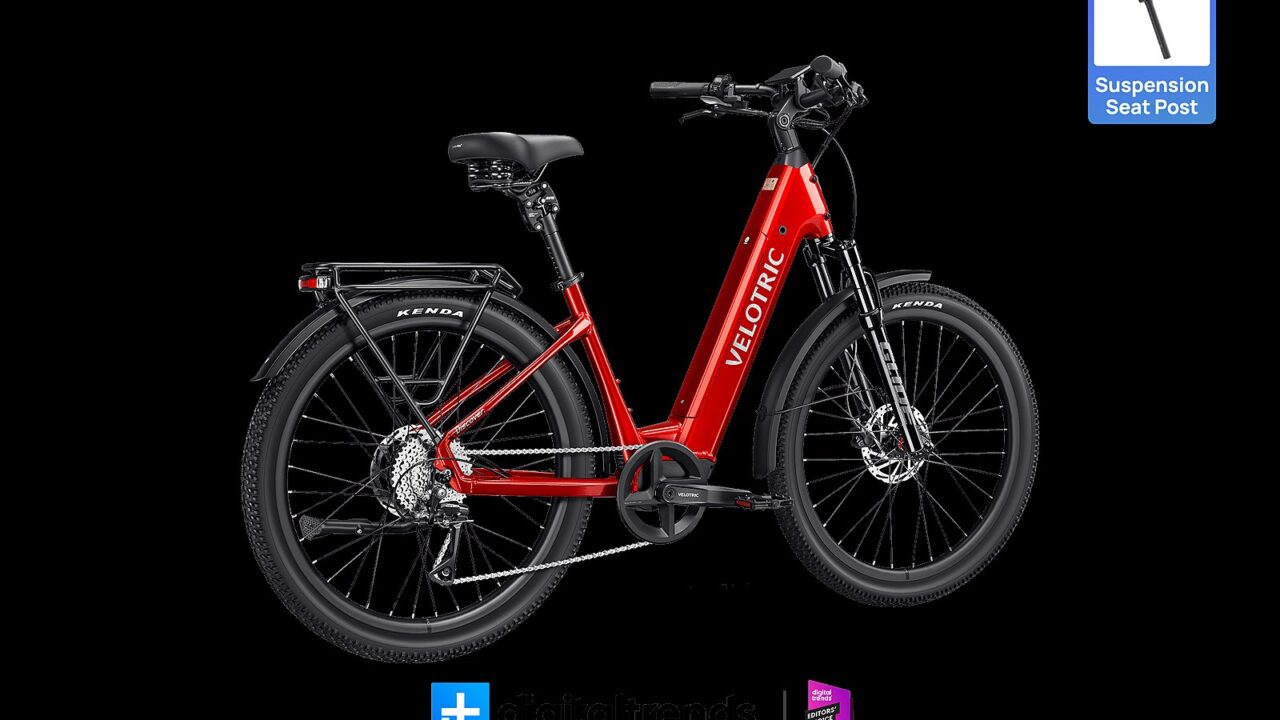
Velotric Triker vs Step-Through E-Bike: Which Is Safer for Your Needs? is written for riders who want easier mounting or stop stability and need to understand the tradeoffs of three wheels. It is an editorial, specification-based buyer's guide, not a claim that Lucas Anderson personally tested every model or scenario. The analysis uses current official information for Velotric Triker, Velotric Breeze 1, Velotric Discover 3 and concentrates on the decisions that remain after a shopper knows the motor and battery numbers.
Prices, bundles, inventory, software, and policies can change. The product pages and checkout observed during this August 2026 update are a snapshot, while Velotric's current page and the actual seller's written terms remain the final authority. That is why this guide separates stable ownership questions from temporary promotions.
The choice in one sentence
A useful comparison does not ask which bike has the longest feature list. It asks which differences change the same rider's route, storage, comfort, safety, and total cost often enough to justify choosing one over the other.
Questions this guide answers
- Balance at stops
- Cornering physics
- Width awareness
- Weight and transport
- Beginner Mode
- Cargo stability
- Mobility fit
- Decision rule
- Buyer questions
- Final recommendation
Current model snapshot
| Model | Official price checked | Useful specifications |
|---|---|---|
| Velotric Triker | $2,499 | 750W hub motor, differential rear axle, up to 60 miles, 20 mph, 85.8 lb, 500 lb capacity |
| Velotric Breeze 1 | $1,799 | 750W hub motor, 65Nm torque, 627Wh battery, up to 70 miles, 48 lb, 330 lb capacity |
| Velotric Discover 3 | $1,999 | 750W rear hub motor, 75Nm torque, 730Wh battery, up to 80 miles, 61 lb, 440 lb capacity |
Confirm current specifications, inventory, and included equipment on Velotric Triker official page, Velotric Breeze 1 official page, Velotric Discover 3 official page.

Balance at stops
Triker remains upright without a foot down, while a step-through bicycle still requires active balance despite its low frame opening. Test the exact frame and included seatpost with normal shoes and cargo. An adjustable part can refine a suitable fit but cannot correct a fundamentally oversized or undersized chassis.
Ask the seller for a written answer when compatibility, capacity, warranty, or included hardware affects the purchase. Save the answer with the order because a photograph or general marketing sentence is not a model-specific commitment.
Photograph or write down the saddle height, handlebar position, and any alternate seatpost used during a successful fit check. Repeat several starts and stops on level ground, including a stop that requires looking over one shoulder. A fit that works only while the bike is held upright by another person is not yet an ownership-ready fit.

Cornering physics
a bicycle leans through turns; a trike resists leaning and can lift a wheel if cornered too quickly or driven across a side slope. Describe a normal Tuesday before an exceptional weekend. The best purchase reduces friction on the most frequent trip instead of maximizing every possible specification.
The practical comparison should include the completed bike, not an empty showroom setup. Locks, bags, passenger hardware, fenders, mirrors, alternate posts, and transport equipment can change weight, fit, clearance, and cost.
Score each candidate from one to five for fit, route capability, storage, charging, service, safety, and ownership cost. Give non-negotiables double weight and write one sentence explaining every score. The exercise is intentionally plain: it prevents a large motor number or a short-lived sale from deciding the purchase alone.
Width awareness
Triker's rear wheels require more clearance through doors, gates, paths, and obstacles than Breeze 1 or Discover 3. List the rider, route, load, storage, charging, and service constraints in writing, then reject any model that misses a non-negotiable.
For Velotric Triker, Velotric Breeze 1, Velotric Discover 3, verify this point using the exact frame, configuration, and included equipment being purchased. Product-family assumptions can hide differences in model year, size, accessory rating, or software behavior.
Score each candidate from one to five for fit, route capability, storage, charging, service, safety, and ownership cost. Give non-negotiables double weight and write one sentence explaining every score. The exercise is intentionally plain: it prevents a large motor number or a short-lived sale from deciding the purchase alone.

Weight and transport
Triker is about 85.8 pounds and needs specialized transport; the 48-pound Breeze is far easier to maneuver and lift. Keep purchase records, manuals, packaging during the return period, serial information, and written compatibility answers in one ownership file.
Turn this into a test for riders who want easier mounting or stop stability and need to understand the tradeoffs of three wheels: reproduce the normal route or ownership task, use representative cargo and clothing, and record what is easy or difficult before increasing speed or assistance.
Ask the intended service provider what it will work on before ordering. Record whether it handles the electrical system, ordinary bicycle parts only, warranty labor, cargo accessories, hydraulic brakes, suspension, and wheel work. The answer can change the value of online pricing more than a temporary bundle or discount.

Beginner Mode
Triker's 8 mph mode supports gradual learning, but it does not replace supervised practice in an open area. Describe a normal Tuesday before an exceptional weekend. The best purchase reduces friction on the most frequent trip instead of maximizing every possible specification.
Ask the seller for a written answer when compatibility, capacity, warranty, or included hardware affects the purchase. Save the answer with the order because a photograph or general marketing sentence is not a model-specific commitment.
Score each candidate from one to five for fit, route capability, storage, charging, service, safety, and ownership cost. Give non-negotiables double weight and write one sentence explaining every score. The exercise is intentionally plain: it prevents a large motor number or a short-lived sale from deciding the purchase alone.
Cargo stability
a large basket and 500-pound total capacity are useful, while high or uneven loads can increase cornering risk. Treat every published maximum as a limit under defined conditions, not as a daily operating target. Speed, load, wet surfaces, and unfamiliar handling should be introduced separately.
The practical comparison should include the completed bike, not an empty showroom setup. Locks, bags, passenger hardware, fenders, mirrors, alternate posts, and transport equipment can change weight, fit, clearance, and cost.
Write a progression plan before the first busy-road ride. It should include low-assist starts, controlled stops, emergency braking, shoulder checks, tight turns, hill starts, and any cargo or passenger setup in a quiet practice area. Add only one new source of speed, load, traffic, or poor traction after the previous step feels repeatable.

Mobility fit
mounting height, saddle position, hand strength, braking, steering, and the ability to look behind all matter beyond a diagnosis or age label. Height is only the first filter. Saddle range, stand-over, reach, control access, and confidence during mounting and stopping decide whether the published fit works.
For Velotric Triker, Velotric Breeze 1, Velotric Discover 3, verify this point using the exact frame, configuration, and included equipment being purchased. Product-family assumptions can hide differences in model year, size, accessory rating, or software behavior.
Measure the rider in normal footwear and compare the result with the current geometry chart, but let control decide the final answer. The rider should be able to reach both brake levers confidently, steer at walking speed, dismount without catching clothing, and push the complete bike through the storage route without losing balance.
Decision rule
choose Triker for stop stability after a real trike test; choose a step-through when two-wheel balance is comfortable and lower weight matters. Test the exact frame and included seatpost with normal shoes and cargo. An adjustable part can refine a suitable fit but cannot correct a fundamentally oversized or undersized chassis.
Turn this into a test for riders who want easier mounting or stop stability and need to understand the tradeoffs of three wheels: reproduce the normal route or ownership task, use representative cargo and clothing, and record what is easy or difficult before increasing speed or assistance.
Photograph or write down the saddle height, handlebar position, and any alternate seatpost used during a successful fit check. Repeat several starts and stops on level ground, including a stop that requires looking over one shoulder. A fit that works only while the bike is held upright by another person is not yet an ownership-ready fit.

Run the same-route comparison
Use identical tire pressure, assist class, saddle setup, and cargo on the same start, hill, stop, turn, and storage maneuver. A display bike configured more aggressively can feel better without being the better long-term choice.
Audit the price difference
Assign every price difference a repeated job. Battery, suspension, rack capacity, frame access, or security earns money only when it changes a normal ride. Leave room for a helmet, lock, setup, service, and necessary carrying equipment.
Use a five-year lens
Chains, cassettes, tires, brake pads, batteries, suspension, electronics, and shop access affect long-term value. Ask what the nearby service provider can diagnose and which model-specific parts it can obtain.
Test the inconvenient maneuver
The revealing comparison may be a doorway, elevator turn, curb, loading ramp, hitch rack, crowded bike room, or hill start rather than an open-road cruise. Repeat the maneuver with the normal lock and cargo attached, because the completed setup can change balance, width, and lifting effort.
Choose the reason in writing
Finish with one sentence: choose the first model because it solves a named repeated task better, or choose the second because the first model's extra capability creates more cost, weight, or maintenance than the rider will use. If that sentence cannot be completed, the test has not isolated the deciding difference.
Keep a one-page decision record
Make one row for each candidate and record the exact size, checkout configuration, ready-to-ride cost, measured fit, hardest-route result, storage result, nearby service option, and the feature that justifies any price difference. Use the same assumptions for both bikes. A blank cell means more verification is needed, not permission to award the point to the model with stronger marketing.
For Velotric Triker, Velotric Breeze 1, Velotric Discover 3, begin that record with balance at stops and finish with decision rule. The buyer described here is riders who want easier mounting or stop stability and need to understand the tradeoffs of three wheels, so the written decision should name the normal route and ownership constraint in plain language. Date the record, save the official page or written seller answer used for changing specifications, and revisit it before the return period closes. If the chosen bike fails a non-negotiable after delivery, address the mismatch promptly rather than trying to justify the purchase with a feature that was never part of the original need.
Continue the research
Use Triker review, step-through e-bike guide to compare the fit, route, safety, and ownership questions from another angle before checkout.
Buyer questions
Why does balance at stops matter before buying?
Triker remains upright without a foot down, while a step-through bicycle still requires active balance despite its low frame opening. Confirm the current model specification and test the requirement in the real route, fit, or ownership setting rather than relying on the headline alone.
What should I verify about width awareness?
Triker's rear wheels require more clearance through doors, gates, paths, and obstacles than Breeze 1 or Discover 3. Confirm the current model specification and test the requirement in the real route, fit, or ownership setting rather than relying on the headline alone.
Can cargo stability change the best model?
a large basket and 500-pound total capacity are useful, while high or uneven loads can increase cornering risk. Confirm the current model specification and test the requirement in the real route, fit, or ownership setting rather than relying on the headline alone.
How should a first-time buyer handle decision rule?
choose Triker for stop stability after a real trike test; choose a step-through when two-wheel balance is comfortable and lower weight matters. Confirm the current model specification and test the requirement in the real route, fit, or ownership setting rather than relying on the headline alone.
Final recommendation
For riders who want easier mounting or stop stability and need to understand the tradeoffs of three wheels, the best decision is the model or setup that satisfies the non-negotiable fit, route, storage, charging, legal, and service requirements with useful reserve. Choose capability only when it solves a repeated problem, and choose simplicity when extra weight, cost, or maintenance would be felt more often than the added feature.
Check the final configuration
Confirm size, color, included equipment, shipping, current price, and policy on the official Velotric Triker page. Code REF601753 may provide $60 off when eligible; Velotric’s current checkout and terms are the final authority.